Home How Does a Root Canal Save Your Tooth? A Corsicana, TX Dentist Explains
Let’s face it – Root canals have been around for a long time, yet many people continue to have mixed reactions about undergoing the treatment.
Part of that comes from old stories. Part of it comes from not knowing exactly what the procedure involves.
However, what often goes unnoticed is why your dentist in Corsicana, TX, suggests it in the first place.
Root canal isn’t designed to remove teeth; it’s a secure option to protect them naturally.
Wonder why?
A damaged or infected tooth doesn’t always need to be extracted. In many situations, the problem is limited to the inside of the tooth, while the outer structure remains strong enough to save.
Therefore, this blog takes a closer look at the different sides of root canal via topics like:
So continue reading as we learn more about root canal treatment in Corsicana, TX, in the following sections.
Most people don’t give much thought to what’s in a tooth until something starts to bother them.
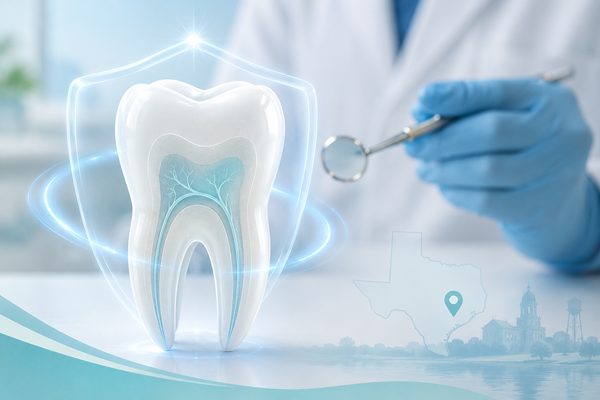
Beneath the hard outer layers of each tooth is a soft area that contains nerves and blood vessels. Dentists call this the pulp. When bacteria reach this part of the tooth, things get a little more complicated than with a typical cavity.
There are a few ways that can happen.
One of the most popular reasons is deep decay. Bacteria can also enter through a crack in the tooth. Sometimes an injury that happened years ago can cause problems inside the tooth later. Symptoms may not always be the same.
One patient may have stabbing pain when eating. One may only notice residual sensitivity when sipping something cold. Some people are surprised to learn they have an infection during a routine exam because they have never really experienced the pain.
If the goal is to remove the infection while keeping the tooth in place, then a root canal is generally recommended. Dentists for root canal near Corsicana will first assess whether the tooth can be saved rather than immediately pulling it.
That’s why root canals are a common treatment option. It’s not about uprooting the tooth; it’s about saving it before the damage becomes more extensive.
The first step is figuring out exactly what’s happening inside the tooth. A dentist examines the area, reviews symptoms, and takes digital images if needed. This helps determine whether the pulp has been affected and whether a root canal is the right solution.
After treatment begins, a small opening is made in the tooth. This provides access to the infected pulp, which is carefully removed to subside infection and pain.
After the pulp is removed, the narrow canals inside the tooth are cleaned and disinfected. This part of the process helps reduce the chance of bacteria remaining in the area.
The cleaned canals are then filled and sealed. This protects the inside of the tooth and helps prevent future contamination.
Many teeth benefit from a dental crown after treatment. The crown adds strength and helps the tooth handle everyday chewing forces more comfortably.
For most patients, Navarro Dental Center’s root canal procedure is much more straightforward than they expected. The goal remains the same throughout every step: remove the infection while preserving the natural tooth whenever possible.
| Who Qualifies? | Patients experiencing persistent tooth pain, sensitivity, swelling, or signs of infection are ideal candidates for the treatment. |
| Process Overview | Step 1
Book a meeting with your dentist for an oral scan. Step 2 They will examine your teeth and perform root canal surgery to remove the root. Step 3 Suggest aftercare tips for faster, better healing. |
| Timeline | The entire treatment process takes a few visits to complete and months to heal. |
| Aftercare | Follow your dentist’s instructions and avoid certain foods. |
| Location & Contact | Navarro Dental Center 1661 W 2nd Ave, Corsicana, TX 75110, United States |
Wonder how visiting a dentist can help you save your smile? Here’s a closer look at how root canals help save natural teeth.
It is uncommon for an untreated infection to remain unchanged. Eventually, the bacteria can spread beyond the tooth and affect the surrounding tissues. Root canal treatment removes infected tissue before the problem becomes more difficult to treat.
The natural teeth play an important role every time a person eats. Patients are often able to continue chewing comfortably with an existing tooth, rather than adapting to the loss of a tooth.
Many patients believe that if a tooth gets infected, the only solution is to have it pulled. In practice, a general dentist for root canal in Corsicana often tries to save the tooth first.” As long as there is enough healthy structure left, a root canal can do that.
All teeth work together with the teeth around them. Preserved Teeth help keep the spacing and functioning of the rest of the mouth. This can reduce the need for any further treatment down the line.
Patients in Corsicana often ask the same questions when root canal treatment is recommended.
These concerns are completely normal.
The team at Navarro Dental Center takes time to explain the condition, discuss treatment options, and help patients understand what to expect before moving forward. Clear communication often makes the experience less stressful, especially for individuals who have never needed a root canal before.
With modern dental technology and a patient-focused approach, treatment is designed to address the infection while helping patients feel informed throughout the process.
For many people, the goal is simple: relieve discomfort, protect the tooth, and return to everyday life as quickly as possible.
Persistent tooth pain, lingering sensitivity, swelling, or discomfort while chewing may indicate a problem inside the tooth. A dental exam is needed for confirmation.
Most patients return to normal activities within a day or two. Mild soreness is common but usually temporary.
Yes. Many general dentists perform root canals, though complex cases may be referred to an endodontist.
Avoid hard, crunchy, or sticky foods until the tooth has fully recovered or been permanently restored.
The procedure itself is typically comfortable with local anesthesia. Some mild soreness afterward is normal and usually improves within a few days.
A root canal can make the difference between saving and losing a tooth. The procedure is often thought of as something to be feared, but the objective is simple enough: to eliminate infection, relieve discomfort, and, where possible, help preserve the natural tooth.
The sooner a problem is found, the more treatment choices are usually available. Persistent tooth pain, sensitivity, or swelling? A dental evaluation can help identify the cause and determine if a root canal is an appropriate next step.
Ready to take the next step to fix your smile? Connect with our experts at Navarro Dental Center and experience the difference professionals bring to the table.