
Category : Dental Implants

Dental Implant Risks: Common Issues and Their Solutions

Summary

It goes without saying that dental implants have been a revolutionary solution for people with missing teeth. 

These oral appliances have transformed the landscape of tooth replacement, offering stable oral health and renewed smiles to nearly 3 million individuals in the USA. However, much like other appliances and their applications, dental implants also have certain limitations.
Dental Implant Risks: Common Issues and Their Solutions_1

In this blog, we take a closer look at the risks associated with implants via topics like: 

  • Dental Implant – An Overview
  • Problem With Implants – What Might Go Wrong?
  • Tips to Care for Your Implants Post-Surgery

So continue reading as we learn more about some common issues and their solutions, suggested by experts of TX dental implants, in the following sections. 

Dental Implant – An Overview

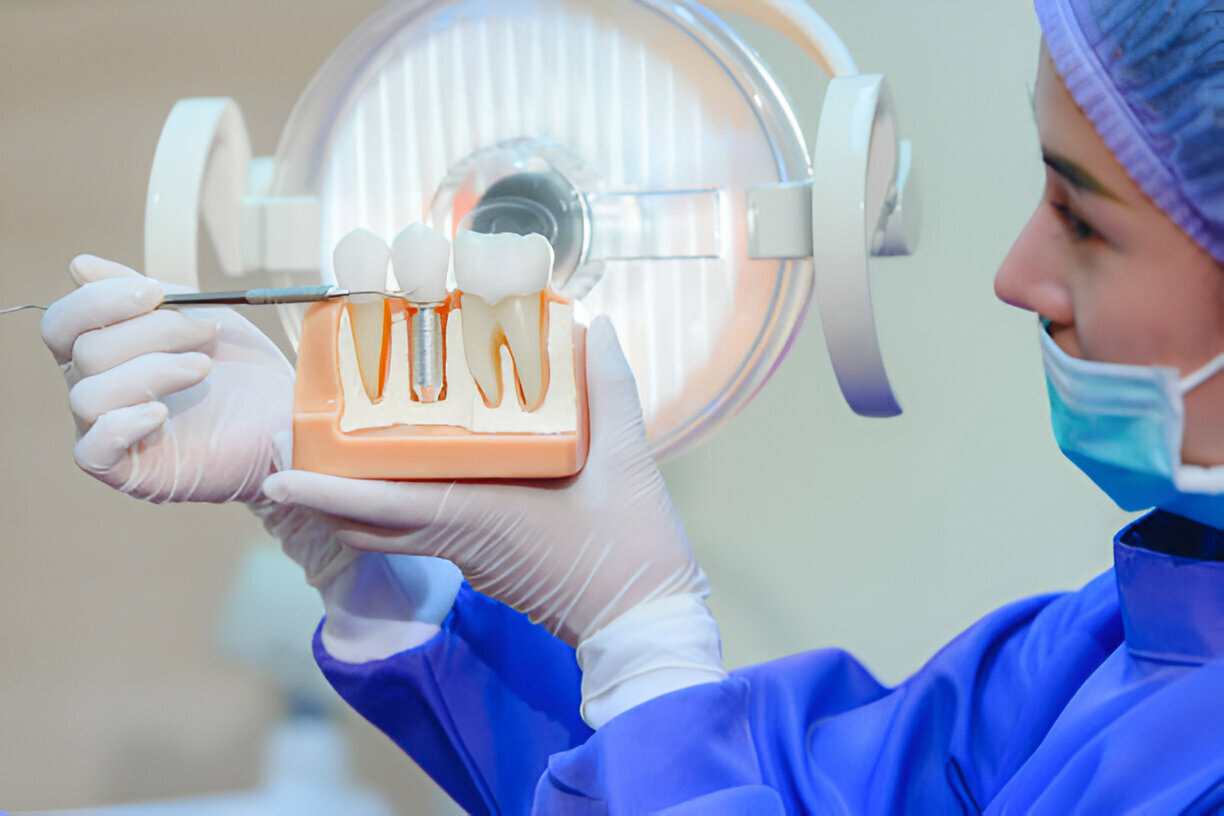
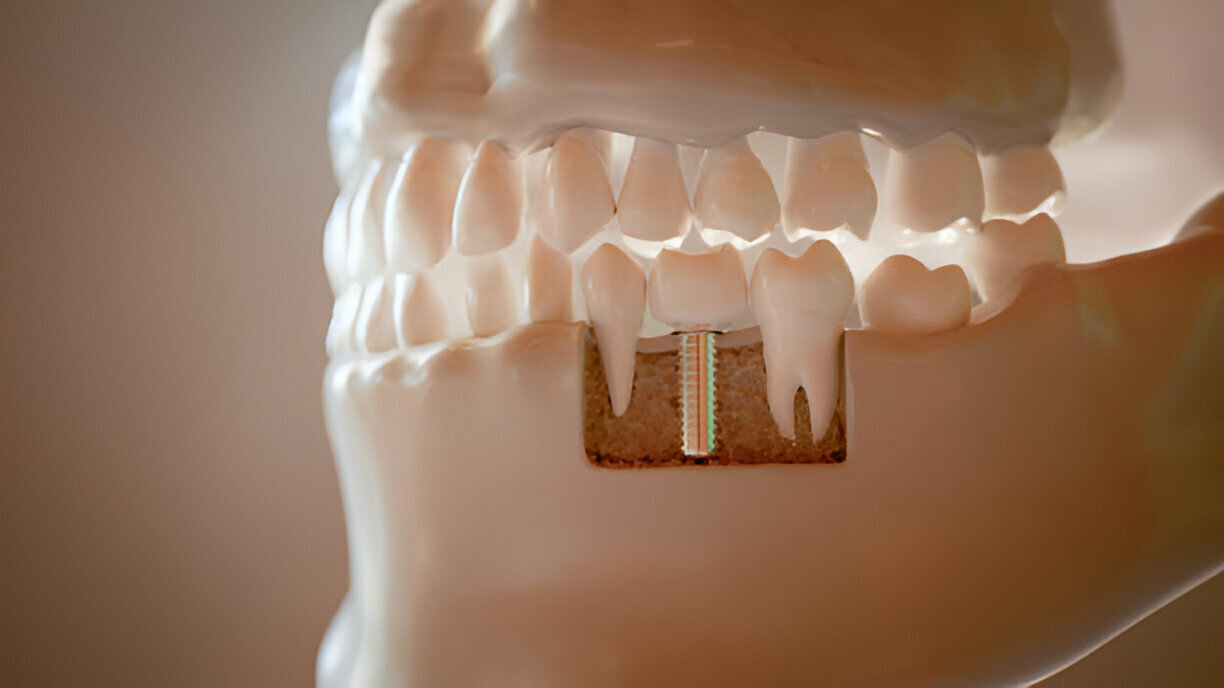
Dental implants are a high-tech solution for replacing lost teeth. During the implant procedure, a titanium screw is used to replace your natural tooth root and bond it to your jawbone. This titanium “root” acts as an anchor for a dental treatment, usually a crown, bridge, or dentures.

These permanent remedies can not only improve the appearance but also enhance your chewing and speaking abilities. Even better, they do not develop cavities (but still require regular care to avoid other issues)!

There are several reasons why your dentist might suggest opting for dental implants. Some of them include:

  • Cavities
  • Broken or fractured teeth
  • Bruxism or excessive tooth grinding
  • Accidental injury 

Tip: If you’re considering implants, talk to your dentist about your risk factors. They should detail the likelihood of success and assist you in determining if the operation is advisable for your specific requirements.

Problem With Implants – What Might Go Wrong?

According to the experts at Navarro Dental in Corsicana, TX, implants are safe, with just a 5% possibility of rejection. Although these concerns are typically minor and may be managed by your dentist, issues can occur.

Complications surrounding implants include:

  • Infection surrounding the implant.
  • Injury to teeth, blood vessels, or other tissues
  • Nerve injury causes numbness, a tingling feeling, or recurring pain.
  • Sinus issues (in situations where the implant is put in the upper jaw)

The entire process of having dental implants can take several months, which includes tooth extraction, healing, preparation, implantation, and restorative placement. As a result, it is critical that you maximize your chances of effective healing and implant integration with your native bone.

Potential Challenges While Undergoing Dental Implantation Surgery

Nerve or Tissue Damage

Nerve or tissue damage surrounding the implant site is another possible complication of dental implants. This problem is rare, but when it does occur, it can be uncomfortable and negatively impact feeling, comfort, and general oral health. It can result from infection, inflammation, surgical trauma, or misplaced implants.

  • Numbness: Numbness or loss of feeling in the tongue, lips, or face on the afflicted implant’s side.
  • Tingling or Burning Sensations: Some patients may feel burning or tingling in the afflicted region.
  • Pain: Sensitivity, pain, or sensitivity around the implant site or in surrounding regions. 
  • Altered Taste or Speech: An altered feeling may change how you perceive taste or speaking issues.

Nerve Damage: Mitigating Risks During Surgery

Nerve injury during surgery can cause temporary or permanent sensory abnormalities. Preventive methods such as intraoperative nerve monitoring or precise surgical planning reduce this risk.

  • Monitoring: In other circumstances, the damage may be transient, and the nerves or tissues will recover independently. However, your oral surgeon or dentist must regularly monitor your condition to track improvement.
  • Medications: Pain relievers and anti-inflammatory drugs may be provided to alleviate symptoms and decrease inflammation.
  • Physical Therapy: When motor function is impaired, physical therapy can help enhance muscular strength and coordination.
  • Surgical Intervention: Surgical procedures may be explored for more severe or chronic nerve injuries. Treatments called nerve grafting or repair can replace or reconnect injured nerves.
  • Implant Adjustment or Removal: If the implant’s placement mostly causes damage, your dentist could suggest relocating the implant or, in severe circumstances, extracting it and replacing it with a new one in a better spot.
Dental Implant Risks: Common Issues and Their Solutions_2

Sinus Problems

Dental implants, in exceptional cases, may result in sinus problems, especially in the upper jaw, which is home to the maxillary sinuses. Often referred to as “sinusitis” or “sinus issues due to dental implants,” this condition may be of concern. 

Sinus problems may arise if there is insufficient bone between the sinus chamber and the implant or if the implant punctures the sinus floor during insertion. Infections around the implant may also potentially result in sinus problems. 

  • Nasal Congestion: Persistent blockage or stuffiness in one or both nostrils.
  • Pressure or Pain: Pressure or discomfort in the sinus area, frequently followed by headaches.
  • Postnasal Drip: Regular sensation of mucus running down the back of the throat.
  • Sinusitis: Symptoms of sinusitis, such as tenderness, discharge, and facial pain.

Tips to Navigate Through Common Problems of Implants Post-Surgery

Swelling / Fever / Bruising

An ice pack placed on your face will help reduce swelling and bruising. This should last for at least 48 hours. Please call the office if you have significant swelling or a temperature of 101.5 or above. It is normal for your face to feel swollen or bruised for two to three weeks following surgery.

Unsettling Pain

Some pain is expected after oral surgery. During the discharge process, specific medication instructions will be provided (Please take the medication as prescribed during this phase). It is often helpful to take the medicine after eating to avoid nausea. Avoid driving when using narcotic pain relievers.

No Smoking or Alcohol

Do not smoke for 10 days or consume alcohol for 48 hours after oral surgery. This may disturb the formation of healthy blood clots, increasing the chances of protracted healing, wound disintegration, and postoperative infections, amongst other issues.
Dental Implant Risks: Common Issues and Their Solutions_3

Consistent Diet

Avoid consuming hot beverages during the first 24 hours following the surgery. Start with cool beverages and avoid sucking via straws. When the numbness begins to wear off, stick to a soft food diet while avoiding chewing in the surgical region. It is also important to eat something after the surgery. A soft food diet is advised for four weeks. A chilled, pureed diet (such as smoothies) is recommended for the first day.

Sharp bony edges

You may feel hard, pointy patches at the surgery site. Leave them alone; do not pick or scrape at them. Rest and relax. Limit intense physical activities during the first 3 to 4 days following surgery. 

After four days, you may resume regular activity unless otherwise instructed. Notify the office personnel at your post-operative checkup. 

Takeaway

  • Dental implants have been a revolutionary solution for people with missing teeth. 
  • The entire process of having dental implants, including tooth extraction, healing, preparation, implantation, and restorative placement, can take several months. 
  • Sinus problems may arise if there is insufficient bone between the sinus chamber and the implant.
  • Nerve injury during surgery can cause temporary or permanent sensory abnormalities. 
  • Don’t let uncertainties prevent you from achieving successful oral treatment! Restore your smile with our experts at Navarro Dental Center today. 

Dental Implants: What You Should Know

With every tooth that falls out or fails, you lose quality of life. A lost tooth significantly impacts how you smile, eat, and feel about yourself.  

But thanks to the top teeth replacement option by Navarro Dentistry, dental implants offer to balance your life with a promise of replacing lost tooth with a degree of reliability and stability like natural teeth. Interestingly, however, like anything that permanently impacts your life, getting dental implants for teeth is no small decision. 

Opting for dental implants is a big undertaking. You need to gather a lot of information before you finalize the treatment. This blog will walk you through different aspects of dental implants while stating some essential facts about the treatment in the following sections. 

Different Types Of Dental Implants

When approaching experts for dental implants in Texas, they’ll suggest either of the three different dental implants based on your current oral condition:

Endosteal Implants

First on our list of dental implants are endosteal implants, one of the most commonly opted oral appliances in the list. They are an excellent option for patients with healthy jaw bones and good oral health. These appliances are shaped like screws to be put into the jaw where the false teeth will fit.

Once the procedure is complete, healing can take one to two weeks. The healing span is necessary to form a muscle around the jawbone and hold the appliance strongly. 

Zygomatic Implants

Next, we have the Zygomatic implants, one of the most commonly opted oral appliances for patients with severe bone deficiencies. This structurally long implant anchor in the upper facial bones or the zygoma, giving the name zygomatic implant. 

Generally, dentists use this implant tooth procedure when they need to replace all the front teeth at once, rather than replacing individual teeth. This makes it more affordable than individual implants while making them a bit risky due to additional complications.

All-on-4 Implants

Next, we have the All-on-4 tooth implantation, a standard practice that uses four standard implant posts to create a full-arch bridge in place (the setup comprises eight implants to cover your full mouth). This implant is placed in front of the upper jaw, and the mandible is in your lower jaw.  

While it is an excellent option for patients and has a much faster approach, the prosthetic bridge created during the procedure is bulkier and less responsive. This makes all-on-4 implants a less-opted option by many patients who want to remodel their smile. 

Subperiosteal Implants

Last on our list are the subperiosteal dental implants. They serve as a primary alternative to endosteal implants which, instead of being fixed into the jawbone, rest on top of it. This appliance comprises a metal frame placed under the gum with a post attached. 

Once the procedure is complete, the gum around the appliance heals to hold the frame in place. After the process is complete, the false teeth are then secured to the poles attached to the gum. Subperiosteal implants are an excellent option for patients who don’t have enough jawbone to place an implant or want to avoid the invasive dental implant procedure. 

So now that you have an idea of the commonly used implants in dentistry let’s debunk some common myths surrounding the oral appliances in the following section. 

Common Myths Around Dental Implants

Dental Implants Aren’t As Strong As Natural Teeth

Many people have a common misconception that since dental implants are replacement teeth, they aren’t as strong as natural teeth. However, this is an entirely wrong notion. 

Since tooth implantation fixes your jaw as one following successful surgery, it acts more like a natural tooth. The bond formed by implants mimics the connection of natural teeth, giving you the freedom to eat what you want. 

The Dental Implants Surgery Is Dangerous & Complicated

Due to the different stages involved in the dental implant process, many individuals commonly believe these oral appliances are complicated. However, it’s the contrary. 

Thousands of dentists worldwide perform dental implants as a routine procedure. It does not involve invasive procedures and they can perform it on anyone with a good jawbone and oral health.

It’s Hard To Care For Dental Implants

Considering how implant of teeth is often compared with natural teeth, many think it’s hard to care for these appliances. Interestingly, however, dental implants are nowhere near the same. 

Even though they look like natural teeth, dental implants cannot form cavities. Once healed, you can care for them via normal flossing and brushing. 

Dental Implants Promote Bone Loss

Bone loss is a natural consequence of tooth loss. The absence of tooth roots during bone loss forces the jawbone to change shape, impacting your aesthetics and overall appeal. 

However, this statement is only valid when you haven’t filled the gap with dental implants. Dental implants protect the jawbone and avoid these issues by resembling the form and strength of natural tooth roots.

Now You Know!

Dental implants are an excellent option for individuals looking to regain their lost smile and confidence. Thanks to the different types of dental implants, you can preserve and maintain a youthful appearance.

So now that you have an idea of how dentists for implants help make the most of your life, what are you waiting for? Visit your nearest implant dentist today. 

Modify Your Smile With Navarro Dental Center

At Navarro Dental Center, we are a powerhouse of different cosmetic operations. Our dental implant procedure brings you the most effective and realistic results while keeping up with your quality of life. Make your appointment today or call us at 903-872-1661 to know more. 

Dental Implants In Texas: What You Should Know

Dental implants have been among the most successful oral methods since time immemorial. Although the technology and methods behind tooth transplants have largely evolved over the years, the overall concept has stayed the same since they were first used in Ancient Maya, Egypt, and China. 

Today, dental implants have become the go-to option for patients of every age for their affordability, feasibility, and seemingly natural fit. Also known as the new standard for tooth transplantation, dental implant treatment comprises many factors that confuse people. 

In this blog, we aim to simplify the process of dental implants in Texas by looking at the different aspects of the treatment process. Continue reading as we understand more about the process in the following sections. 

What Are Dental Implants?

Dental implant surgery is a standard tooth replacement option opted for by people with damaged or missing teeth. These implants are an excellent option for people with a missing tooth, a few missing teeth, or even a molar. They are designed to feel, look, and function like natural teeth. 

Most people cannot distinguish between natural and permanent teeth implants. It combines three elements – a customized crown, a titanium implant post, and a connecting abutment – to create a new tooth and give you an effortless smile with these appliances.

Today, dental implants procedure offers effective alternatives for people who have the following oral conditions: 

  • Missing teeth
  • Congenitally missing teeth
  • Traumatic injury to natural teeth
  • Deteriorating teeth
  • Prevailing dental issues

So now that we have an idea of what dental implants are, let’s look at how these appliances work and understand the steps in detail in the following sections. 

Understanding How Implants Work

At Navarro dentistry, professionals consider two types of implants to be safe, namely: subperiosteal and endosteal implants. 

Subperiosteal Implants: Dentists primarily use bone implants, also known as dental molar implants, for complex oral health cases. They place these implants over the jawbone and under the gums to support a full arch tooth replacement.

Endosteal Implants: Unlike subperiosteal implants, endosteal implants are placed ‘in the bone. These are root or cylindrical-shaped implants placed directly into the jawbone for dental restorations. They’re a common option for replacing a single tooth, complex bridges, and full arch tooth replacement. 

So now that we have an idea of the two commonly used dental implants for molar teeth let’s have a look at the steps involved in the procedure: 

Steps Involved In The Procedure

Stage I – Dental Exam: 

To start your dental implant procedure, your dentist must do a comprehensive examination before the implant procedure starts. In this stage, they utilize 3D imaging and CT scan to get an insight into your oral condition. Once done, the dentist can more accurately understand the implant procedure required to give you a flawless smile. 

Stage II: Removal Of Teeth Or Tooth: 

The replacement tooth or teeth are then extracted in the following step. Although certain dentists who specialize in implantology can complete the full procedure, oral surgeons are often the ones who perform this.

Stage III: Bone Grafting: 

If the first examination reveals that you don’t have enough bone to support the implant, your dentist will need to conduct a bone graft. They can take bone from another part of your body and place it where needed. Alternatively, there are choices for synthetic and natural donor bones.

Stage IV: Insertion Of Implants: 

The dentist affixes the crown in the last phase. They design your crown to match the style, size, and color of your other teeth. The dentist accomplishes this by creating molds or digital imprints of your natural teeth and jaw after positioning the abutment.Your dentist will restore your oral health through bone grafting and then insert the implant into your jawbone by drilling a hole.

If the bone graft is small, your dentist may perform both procedures together with dental implant recovery time afterwards. Your dentist will fix the implant deeply into the bone, mimicking a real tooth since it is an artificial tooth root. After extracting your original tooth, you will wear a temporary, removable denture to fill the gap. While you recover from the implantation, the bone will form around the new implant (known as osseointegration).

Stage V: Adding Abutment:

Following the recovery from stage four, the bone generally takes a month or two to stabilize. This later becomes the base where the implant will be placed using the abutment. 

Stage VI: Placing Crown:

The dentist affixes the crown in the last phase after creating molds or digital imprints of your natural teeth and jaw to match the style, size, and color of your other teeth. Once done, they place the crowns to restore your smile. 

Implants Are Easy To Care For!

Dental implants are your best option to replace missing or lost teeth! Dental implants require proper care, though they aren’t susceptible to decay or cavities like natural teeth. 

Wonder why? Dental implants cannot develop cavities because they comprise materials that are not impacted like natural teeth. Normal brushing and flossing are all necessary to take care of a dental implant once the healing process at the implant site is complete.

So now that you know what dental implants are and their role in restoring your smile, when are you opting for them?

What Are You Waiting For?

At Navarro Dental Center, we bring you the ultimate dental implant experience. Our cutting-edge dental technology and experts with years of expertise renew your smile like never before. Book an appointment with us or call us at 903-872-1661 to learn more. 

How Do Dental Implants Work?

Dental implants work have been one of the most successful oral appliances ever! Used by individuals for over four decades, implants are an adequate substitute for tooth roots. However, their only drawback is that they are artificial and made of titanium.

Also known as permanent denture implants, dental implants uniquely support fixed crowns and bridges. Considering such unique features, almost everybody wants to replace their missing teeth with implants. However, only a few know about the process of an ideal dental implant procedure. 

In this blog, we focus on the steps involved in dental implants and look at the procedure in detail. Continue reading as we understand the types, methods, and other factors in fact in the following sections. 

Types Of Dental Implants

When visiting your nearest professionals for dental implants Corsicana, you might come across different types of dental implants. They are divided into three parts: Subperiosteal, Endosteal, and Zygomatic.

Let’s have a closer look at these implants:

Endosteal Implants

First on our list of dental implants work is Endosteal implants. Also referred to as one of the best dental implants, they are a great option for users with good oral health as they would result in an excellent post to fuse with. 

These implants are like placeholder posts shaped like screws placed into the jaw to accommodate implant crowns. 

Subperiosteal Implants

Next, we have subperiosteal implants, a great alternative to Endosteal Implants. Instead of fixing into the jawbone, the dentist places these implants on the bone under the gum.

The dentist places a metal frame under the gum with a post. Once the gum around the post heals and the frame is held in place, the experts at Navarro Dentistry secure it to the poles rising from the gum.

If the patient has deteriorating oral health with a limited jawbone, the dentist prefers to place an implant using this procedure.

Zygomatic Implants

Professionals suggest Endosteal implants over zygomatic implants, as they are less complex and can be placed directly into the jawbone. Zygomatic implants are only recommended if there is not enough jawbone available.

While these were common dental implants, your other options include single-tooth implants, removable dental implants, All-on-4 dental implants, and 3-on-6 dental implants. 

So now that we have an idea of the three common types of implants, let’s look into the procedure in detail.

Dental Implants: Insight Into The Procedure

When consulting with professionals at Navarro Dentistry, they’ll walk you through your dental implant plan. The procedure is divided into four stages, from preparation to fitting the crown. 

Let’s have a look at these four phases in detail:

Stage I: Preparation

The first stage of getting dental implants starts with a thorough checkup to determine your oral health condition. Next, your dentist will include an evaluation and advanced digital management while also discussing the possibilities of additional surgery. 

Based on the plan, the treatment of dental implants might require you to consult with a variety of specialists:

  • A dental surgeon specializing in mouth, face, and jaw conditions. 
  • Periodontist for treating gums and bones. 
  • A prosthodontist for designing false teeth. 

Once you’re through with the screening process, your dentist might also check for bone grafting. Then, based on your requirements, they will proceed with the next step of the procedure. 

Stage II: Placing The Implant

The procedure’s second stage generally involves a visit to your dentist, as this phase requires local anesthesia. In this stage, your surgeon incurs your gums and exposes the bone. 

Following this, holes are drilled into the bone, and a metal post is placed. Once done, the gum tissues around the post will be sutured to initiate healing. After that, the post will serve as an artificial root to your crown. 

Stage III: Installing The Abutment

After completing the osseointegration, the dentist performs minor surgery to install the abutment for the crown on your implant. It takes almost two weeks for the process to heal before fixing the artificial tooth.

Stage IV: Fitting The Crown

Now that your gum is healed, your dentist will take an impression of your mouth to get a good fit for your oral arrangement. Once done, the mold will create a natural-looking dental crown to restore your picture-perfect smile. Besides, if crowns are a style statement, you could opt for gold or diamonds. 

Now You Know!

This brings us to the end of our blog on how dental implants work. Looking at the different aspects of the process, it’s evident that a dental implant is necessary to restore your natural smile. However, the steps involved in the procedure can be complex and time-consuming, depending on your body’s healing abilities. 

Connect With The Experts Today!

If you think dental implants are right for you or want to know more, contact our highly qualified dentists at Navarro Dental. These professionals have years of field experience and offer detailed insight into surgery. So come, regain your lost confidence today! 

What Is The Appropriate Age For Getting Dental Implants?

Are you considering getting dental implants to enhance the appeal of your smile? Having a missing tooth can hurt your overall visual impact. 

In such cases, you have the next best alternative in the form of dental implants in Corsicana. Many reasons make dental implants the ideal fit for your mouth. First, they are a perfect replacement for your natural tooth and the tooth itself. The new tooth roots are titanium and help secure the replacement tooth.    

But at what age should you get a dental implant? Getting your dental implants at the right age is very important to ensure the success of your implants. So continue reading to learn more. 

But Should You Consider Getting Dental Implants?

Dental implants yield numerous benefits making them an ideal choice for many. Some of the primary benefits of getting a dental implant include:

  • Eliminating the need to remove the replacement teeth to get them cleaned.
  • Prevent facial sagging
  • Restored speaking ability and chewing
  • Appear completely sagging
  • There is no fear of an embarrassing mishap where your teeth will fall out from your mouth when laughing, eating, sneezing, or coughing. 

Are You Too Young For Dental Implants?

Before you head out to get dental implants success ratio, you need to ensure your jaw is fully developed. In most cases, the patients have at least reached the age of late teenage or early adulthood. However, when you visit a Corsicana, TX, dentist, they will first carry out an x-ray of your mouth to determine if your jaw is fully developed. It is more important than the individual’s age because every patient has a unique jaw development potential.   

In some instances, you will find the patients reaching their skeletal maturity by the time they reach their mid-20s. Therefore, it makes it very important to carry out an x-ray and determine the skeletal maturity of an individual. If you are below 18, the dentists will obtain parental permission before undergoing the process. 

Are You Too Old For Dental Implants?

Experts to the American Dental Association, 50% of men and women over the age of 65 have at least one missing tooth. It makes them an ideal candidate for getting a dental implant, including the people in their 80s and 90s. But before carrying out dental implant surgery on a patient of such age in Corsicana, TX, the dentist evaluates their overall health. 

In some instances, one might come across senior citizens who have lived with removable dentures. It can be challenging for them to get accustomed to permanent non-removable implants in such cases. 

However, as you go into further detail, you will notice the most significant difference between older and younger dental implant patients. First, one has to determine why the patient loses their tooth. Young adults generally lose their teeth due to trauma and accidents, while older adults lose them for natural reasons such as tooth decay or disease.       

No matter the reason behind losing your teeth, you need to consult a reliable dentist and determine if you are suited for the treatment. They can find the proper dental implant treatment for you and ensure you get the best results.  

When Should You Get a Dental Implant?

The best time to get dental implants is when you have grown tired of walking around with a missing tooth. Dental implants will allow you to smile, eat, and speak more comfortably. In addition, it will help you lead a more active and social lifestyle. 

Bottom Line

You need not worry much about your age if you consider getting dental implants as long as your jawbone is fully developed. Therefore, you need to consult an expert Corsicana, TX, dentist to get the best suggestion. Schedule an appointment at the earliest and enhance your smile.

Dental Implants: Why They Are The Best Solution For Damaged Teeth

Hundreds of Americans suffer from tooth loss or damaged teeth every year, and they keep looking for the best solution to cover them up. While many have been dependent on dentures and bridges, we now suggest getting dental implants. These implants work as replacement tooth roots and provide the perfect coverup for missing teeth! 

So if you are considering getting dental implants in Corsicana and wondering whether they are a good option, let’s look into some advantages of choosing dental implants to replace your damaged teeth. 

Why Choose Dental Implants

  • Enhanced Appearance

Dental implants are just like your teeth’s natural setting. They are made to be fused permanently with your bone and thus will blend in perfectly, making them look much better than artificial dentures or bridges!

  • Improvement of Speech

While speaking with dentures or bridges, one might slur or mumble their words if their dentures become a little loose. In the case of implants, there will be no worry about such embarrassing incidents because they will remain right in place, allowing you to speak clearly and confidently.

  • Better Comfort

Dental implants are so much more comfortable than bridges and dentures. They will elevate your comfort and your self-esteem considerably! Being replacement tooth roots, they work just like your other natural teeth, making you forget they even exist in the first place. 

  • Eating Improvement 

Dentures and bridges cause a lot of trouble for eating – they need to be appropriately stuck into place to stop them from sliding down. This can be very troublesome for beginners since it takes a lot of time to get used to. 

So, if you get dental implants in their place, it will be much more convenient for you to eat without worrying about your dentures falling off mid-meal. They will work like your natural teeth allowing you to eat anything without any pain or lack of confidence.

  • Improvement In Oral Health

Dental implants help to improve your overall oral health. This is because implants are custom-made to fit into your tooth gap with minimum scraping and reduction of your surrounding teeth. This leaves your natural teeth intact, saving them from quick decay and giving them a long clean mouth and healthy life.

  • Convenient and Durable

Dental implants are very convenient and durable. And with reasonable care, even your entire lifetime! Once you get implants, they can last you at least ten years. 

They are much more convenient than dentures and bridges, requiring you to remove and insert them daily. Dental implants also save you from using adhesives to keep your dentures and bridges in place. 

Conclusion

Thus, dental implants are a far better option than bridges and dentures. They are cost-effective, long-lasting, and blend thoroughly with your natural teeth! So talk to your doctor today and get an appointment to get dental implants in Corsicana Navarro, Texas! All the best!