
Category : navarro dentistry

Corsicana Pediatric Dentistry: Ensuring Healthy Smiles for Kids of All Ages

Summary: 

How often does your child come to you complaining about oral issues? 

If the problems reoccur and home remedies aren’t effective anymore, it’s time to consider visiting pediatric Navarro Dentistry. 

Regular oral hygiene is paramount to avoiding oral problems; home remedies sometimes help ease pain or discomfort. However, specific issues, like gum bleeding, cavities, tooth damage, etc., require the attention of our pedodontists.

Corsicana Pediatric Dentistry: Ensuring Healthy Smiles for Kids of All Ages_1

These problems usually occur due to poor eating habits and, sometimes, poor oral hygiene. 

However, most people visiting our clinic have a limited idea of how we can treat oral problems and ensure a healthy, beautiful smile for their child. Keeping this in mind, we will walk you through crucial topics like:

  • Why Should You Take Your Child To Pediatric Dentists?
  • What Essential Service Do Pediatric Dentists Offer?
  • Reasons To Choose Pediatric Dentists
  • What Can You Expect From Pediatric Dentistry?

Continue reading as we explore everything about pediatric dentistry in the following sections. 

Why Should You Take Your Child To Pediatric Dentists?

Even though it’s essential for them, visiting a clinic can be intimidating for most children as they fear the tools and equipment used there. 

Dental experts estimate that over 50% of children have cavities in their teeth, followed by gum bleeding and tartar build-up. Leaving these problems untreated for long results in pain, discomfort, and complications affecting speech, nutrition, and overall well-being. 

It is impossible to treat oral problems like cavities, tooth decay, misalignment, and premature tooth loss. At Corsicana Pediatric Dentistry, we aim to address children’s dental needs by offering preventive care, treatments, and guidance to ensure optimal oral health from infancy to adolescence. 

What Essential Service Do Pediatric Dentists Offer?

Pediatric dentists are essential healthcare professionals who safeguard children’s oral health from infancy through adolescence. Regular check-ups and early intervention at Pediatrics Corsicana, TX, can help prevent these problems and promote lifelong dental wellness in children. 

Our clinic’s expert pedodontists have specialized training that enables them to address the unique oral needs of young patients, focusing on education, prevention, and treatment. 

Here are some key aspects of what our pediatric dentists can do:

Regular Check-ups

Routine check-ups are crucial for early detection and prevention of issues. The best pediatric dentists conduct thorough examinations to monitor the growth and development of your children’s teeth and jaws and identify potential concerns early on.

Preventive Care

Pedia dentists aim to maintain optimal oral health for your child through preventive care. They offer guidance on proper oral hygiene practices tailored to each child’s age and developmental stage, including brushing, flossing, and dietary recommendations.

Treatment Of Dental Issues
Corsicana Pediatric Dentistry: Ensuring Healthy Smiles for Kids of All Ages_2

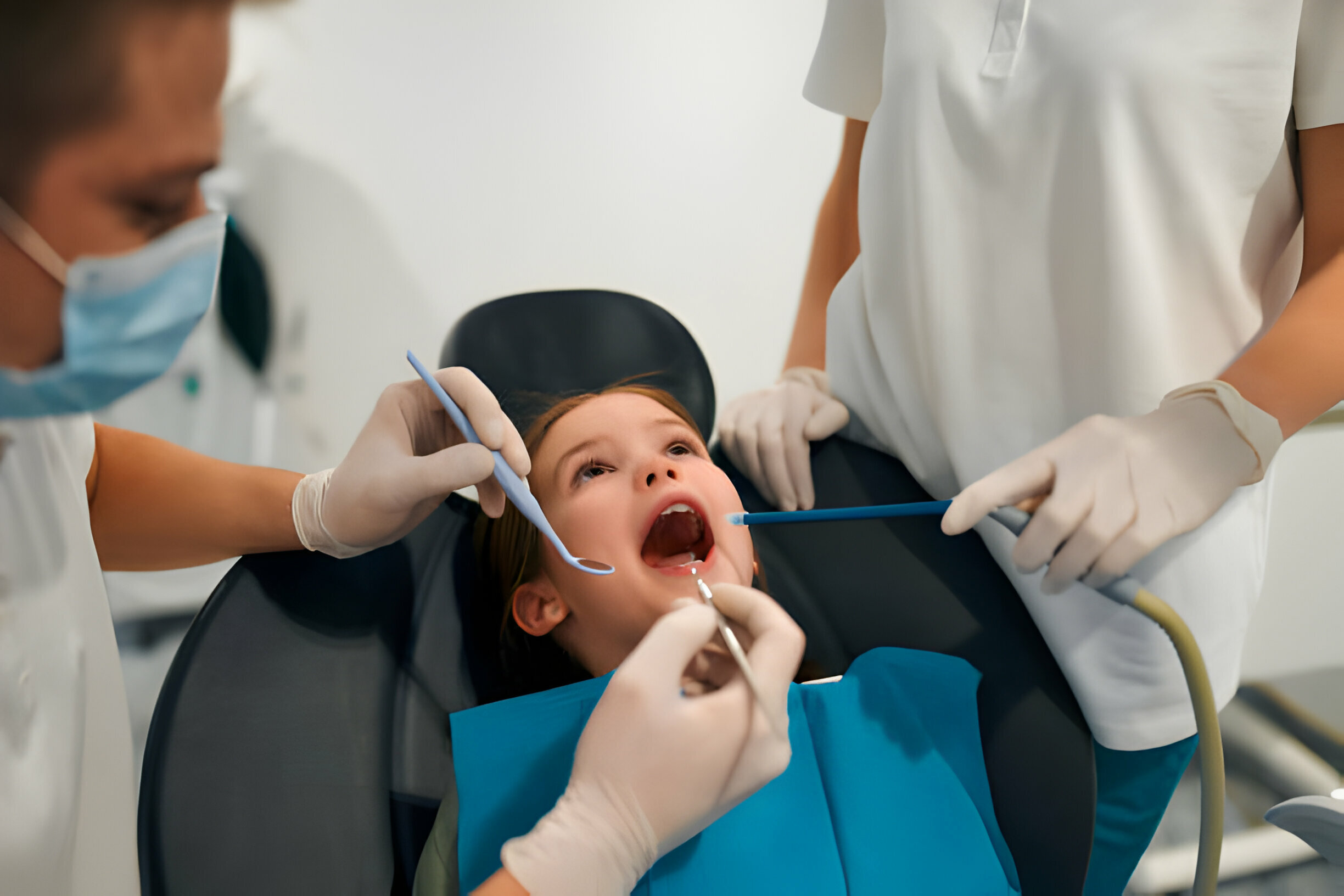
Our dentist pediatrician experts can diagnose and treat various conditions, from cavities to orthodontic problems. They use specialized techniques and equipment for children to ensure comfortable and practical treatment experiences.

Specialized Services

Pedodontists employ various tools and techniques to solve diverse issues and problems. These professionals offer specialized services such as fluoride treatments, dental sealants, and interceptive orthodontics to address specific needs and prevent future problems in children.

Behavior Management

It’s common for children to experience anxiety during oral visits. Keeping the same in mind, pediatric dentists employ child-friendly approaches and behavior management techniques to create a positive and supportive environment. It includes providing distractions and gentle communication to alleviate fear and build trust.

Reasons To Choose Paedodontics

Pediatric dental professionals specialize in providing oral health care and treatment to the unique needs of children from infancy through adolescence. Here are several reasons why you should schedule regular appointments with pediatric dentists:

Expertise In Child Psychology And Behavior Management

Children may experience fear or anxiety when visiting our clinic. Pedodontists are trained to understand and manage children’s behavior effectively in the dental setting. 

They use child-friendly language, gentle techniques, and positive reinforcement to create a comfortable and reassuring environment, helping children feel at ease during visits.

Specialized Training And Education

Specialized dentists for infants undergo extensive training beyond dental school, usually completing two to three years of specialized training. 

This additional training focuses on child psychology, growth and development, behavior management, and pediatric-specific techniques. As a result, our dentists are well-equipped to address young patients’ specific oral health needs.

Treatment Of Pediatric Conditions

Our pediatric dentists are experts in diagnosing and treating various dental conditions, such as tooth decay, developmental abnormalities, gum disease, and dental trauma. They tailor treatment plans to meet each child’s unique needs, using techniques and materials that are safe and effective for young patients.

Child-Centered Approach

Pediatric dentists aim to create a welcoming and child-friendly environment at our clinic. They strive to make dental visits enjoyable and stress-free for children and their parents by emphasizing communication, collaboration, and education. 

Pedodontists at Corsicana Dentistry involve parents in decision-making and guide proper oral hygiene, diet, and habits to support their children’s dental health.

Emphasis On Preventive Care

Prevention is a crucial aspect of primary dentistry. Pedodontists focus on early intervention and preventive measures to maintain optimal oral health in children. 

These dentists provide dental cleanings, fluoride treatments, sealants, and oral hygiene education to prevent issues and promote healthy habits early on.

What Can You Expect From Pediatric Dentistry?

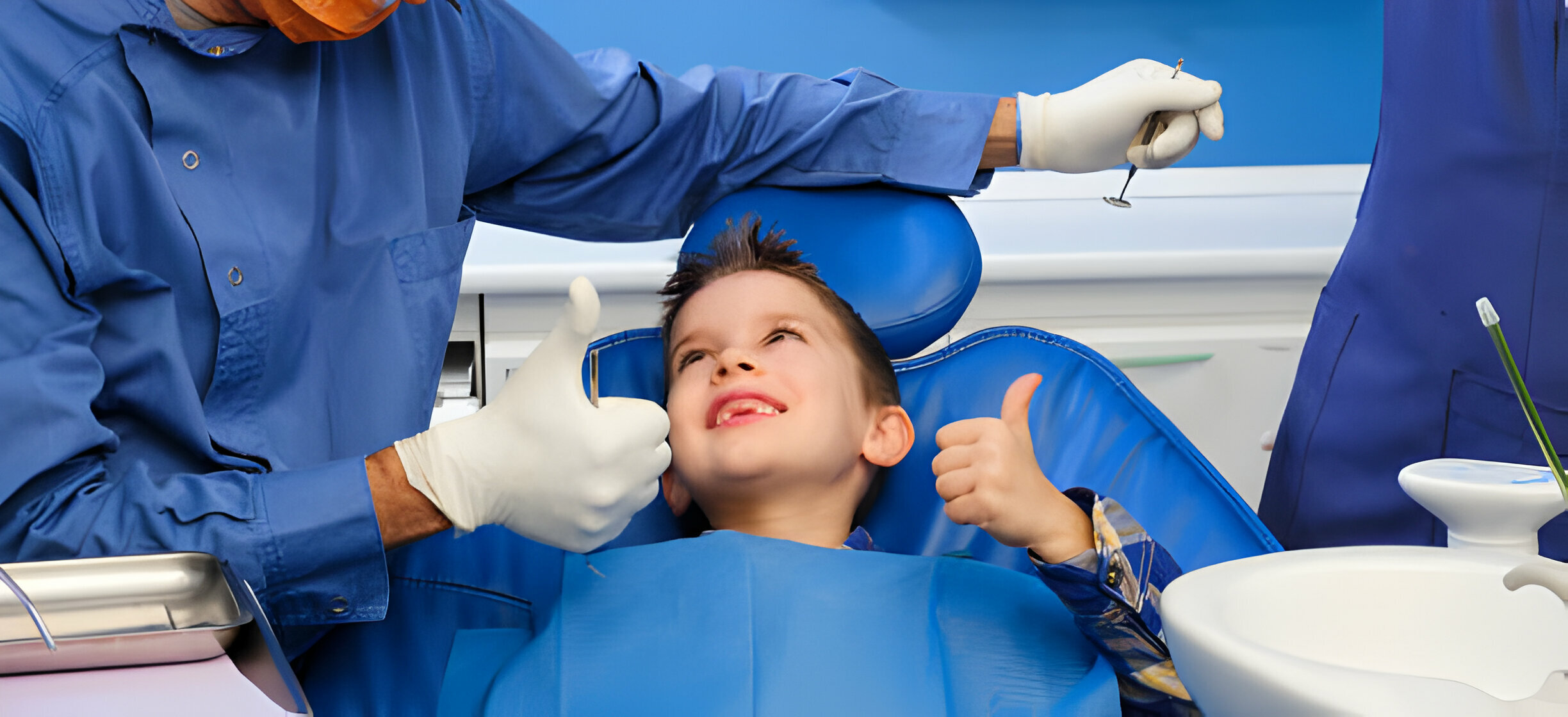
Pediatric dentistry is dedicated to meeting children’s dental needs, offering specialized services tailored to their unique requirements. Unlike adult dentistry, pediatric duties include creating a welcoming and comfortable environment specifically designed to alleviate children’s anxiety or fear about dental visits. 
Corsicana Pediatric Dentistry: Ensuring Healthy Smiles for Kids of All Ages_3

Here are some of the things that you can expect from pediatric dentistry:

  • Discussion Of Oral Health Habits:

Pedodontists engage in brief conversations with parents to understand the child’s oral hygiene routine and offer guidance on maintaining good oral health practices at home.

  • Comprehensive Examination:

We conduct a thorough examination to assess the growth and development of the child’s teeth, gums, jaws, bite, and surrounding oral tissues. It aids in early identification of any potential issues, enabling timely intervention.

  • Teeth Polishing And Cleaning:

A pediatric dentist’s role involves polishing and cleaning the teeth to remove plaque, tartar, and stains, promoting cavity prevention and a healthy smile.

  • Minimal Use Of X-rays:

Professional pedodontists usually avoid using X-rays for baby teeth unless specific concerns exist. X-rays are recommended only when medically necessary, minimizing unnecessary radiation exposure, especially for young children.

Takeaways:

  • Children need the attention of pediatric dentists often to ensure optimal oral health and a healthy smile.
  • Pedodontists focus on children’s comfort and enjoyable visits while treating their dental issues and conditions. 
  • Pedodontists undergo extensive training to address the issues of young patients. 
  • They use a child-centered approach, and dentists usually avoid using X-rays unless there’s a specific concern. 
  • Give your children the right treatment with our experts at Navarro Dental Center. Let’s simplify smile again! 

Dental Implants: What You Should Know

With every tooth that falls out or fails, you lose quality of life. A lost tooth significantly impacts how you smile, eat, and feel about yourself.  

But thanks to the top teeth replacement option by Navarro Dentistry, dental implants offer to balance your life with a promise of replacing lost tooth with a degree of reliability and stability like natural teeth. Interestingly, however, like anything that permanently impacts your life, getting dental implants for teeth is no small decision. 

Opting for dental implants is a big undertaking. You need to gather a lot of information before you finalize the treatment. This blog will walk you through different aspects of dental implants while stating some essential facts about the treatment in the following sections. 

Different Types Of Dental Implants

When approaching experts for dental implants in Texas, they’ll suggest either of the three different dental implants based on your current oral condition:

Endosteal Implants

First on our list of dental implants are endosteal implants, one of the most commonly opted oral appliances in the list. They are an excellent option for patients with healthy jaw bones and good oral health. These appliances are shaped like screws to be put into the jaw where the false teeth will fit.

Once the procedure is complete, healing can take one to two weeks. The healing span is necessary to form a muscle around the jawbone and hold the appliance strongly. 

Zygomatic Implants

Next, we have the Zygomatic implants, one of the most commonly opted oral appliances for patients with severe bone deficiencies. This structurally long implant anchor in the upper facial bones or the zygoma, giving the name zygomatic implant. 

Generally, dentists use this implant tooth procedure when they need to replace all the front teeth at once, rather than replacing individual teeth. This makes it more affordable than individual implants while making them a bit risky due to additional complications.

All-on-4 Implants

Next, we have the All-on-4 tooth implantation, a standard practice that uses four standard implant posts to create a full-arch bridge in place (the setup comprises eight implants to cover your full mouth). This implant is placed in front of the upper jaw, and the mandible is in your lower jaw.  

While it is an excellent option for patients and has a much faster approach, the prosthetic bridge created during the procedure is bulkier and less responsive. This makes all-on-4 implants a less-opted option by many patients who want to remodel their smile. 

Subperiosteal Implants

Last on our list are the subperiosteal dental implants. They serve as a primary alternative to endosteal implants which, instead of being fixed into the jawbone, rest on top of it. This appliance comprises a metal frame placed under the gum with a post attached. 

Once the procedure is complete, the gum around the appliance heals to hold the frame in place. After the process is complete, the false teeth are then secured to the poles attached to the gum. Subperiosteal implants are an excellent option for patients who don’t have enough jawbone to place an implant or want to avoid the invasive dental implant procedure. 

So now that you have an idea of the commonly used implants in dentistry let’s debunk some common myths surrounding the oral appliances in the following section. 

Common Myths Around Dental Implants

Dental Implants Aren’t As Strong As Natural Teeth

Many people have a common misconception that since dental implants are replacement teeth, they aren’t as strong as natural teeth. However, this is an entirely wrong notion. 

Since tooth implantation fixes your jaw as one following successful surgery, it acts more like a natural tooth. The bond formed by implants mimics the connection of natural teeth, giving you the freedom to eat what you want. 

The Dental Implants Surgery Is Dangerous & Complicated

Due to the different stages involved in the dental implant process, many individuals commonly believe these oral appliances are complicated. However, it’s the contrary. 

Thousands of dentists worldwide perform dental implants as a routine procedure. It does not involve invasive procedures and they can perform it on anyone with a good jawbone and oral health.

It’s Hard To Care For Dental Implants

Considering how implant of teeth is often compared with natural teeth, many think it’s hard to care for these appliances. Interestingly, however, dental implants are nowhere near the same. 

Even though they look like natural teeth, dental implants cannot form cavities. Once healed, you can care for them via normal flossing and brushing. 

Dental Implants Promote Bone Loss

Bone loss is a natural consequence of tooth loss. The absence of tooth roots during bone loss forces the jawbone to change shape, impacting your aesthetics and overall appeal. 

However, this statement is only valid when you haven’t filled the gap with dental implants. Dental implants protect the jawbone and avoid these issues by resembling the form and strength of natural tooth roots.

Now You Know!

Dental implants are an excellent option for individuals looking to regain their lost smile and confidence. Thanks to the different types of dental implants, you can preserve and maintain a youthful appearance.

So now that you have an idea of how dentists for implants help make the most of your life, what are you waiting for? Visit your nearest implant dentist today. 

Modify Your Smile With Navarro Dental Center

At Navarro Dental Center, we are a powerhouse of different cosmetic operations. Our dental implant procedure brings you the most effective and realistic results while keeping up with your quality of life. Make your appointment today or call us at 903-872-1661 to know more. 

Dental Implants In Texas: What You Should Know

Dental implants have been among the most successful oral methods since time immemorial. Although the technology and methods behind tooth transplants have largely evolved over the years, the overall concept has stayed the same since they were first used in Ancient Maya, Egypt, and China. 

Today, dental implants have become the go-to option for patients of every age for their affordability, feasibility, and seemingly natural fit. Also known as the new standard for tooth transplantation, dental implant treatment comprises many factors that confuse people. 

In this blog, we aim to simplify the process of dental implants in Texas by looking at the different aspects of the treatment process. Continue reading as we understand more about the process in the following sections. 

What Are Dental Implants?

Dental implant surgery is a standard tooth replacement option opted for by people with damaged or missing teeth. These implants are an excellent option for people with a missing tooth, a few missing teeth, or even a molar. They are designed to feel, look, and function like natural teeth. 

Most people cannot distinguish between natural and permanent teeth implants. It combines three elements – a customized crown, a titanium implant post, and a connecting abutment – to create a new tooth and give you an effortless smile with these appliances.

Today, dental implants procedure offers effective alternatives for people who have the following oral conditions: 

  • Missing teeth
  • Congenitally missing teeth
  • Traumatic injury to natural teeth
  • Deteriorating teeth
  • Prevailing dental issues

So now that we have an idea of what dental implants are, let’s look at how these appliances work and understand the steps in detail in the following sections. 

Understanding How Implants Work

At Navarro dentistry, professionals consider two types of implants to be safe, namely: subperiosteal and endosteal implants. 

Subperiosteal Implants: Dentists primarily use bone implants, also known as dental molar implants, for complex oral health cases. They place these implants over the jawbone and under the gums to support a full arch tooth replacement.

Endosteal Implants: Unlike subperiosteal implants, endosteal implants are placed ‘in the bone. These are root or cylindrical-shaped implants placed directly into the jawbone for dental restorations. They’re a common option for replacing a single tooth, complex bridges, and full arch tooth replacement. 

So now that we have an idea of the two commonly used dental implants for molar teeth let’s have a look at the steps involved in the procedure: 

Steps Involved In The Procedure

Stage I – Dental Exam: 

To start your dental implant procedure, your dentist must do a comprehensive examination before the implant procedure starts. In this stage, they utilize 3D imaging and CT scan to get an insight into your oral condition. Once done, the dentist can more accurately understand the implant procedure required to give you a flawless smile. 

Stage II: Removal Of Teeth Or Tooth: 

The replacement tooth or teeth are then extracted in the following step. Although certain dentists who specialize in implantology can complete the full procedure, oral surgeons are often the ones who perform this.

Stage III: Bone Grafting: 

If the first examination reveals that you don’t have enough bone to support the implant, your dentist will need to conduct a bone graft. They can take bone from another part of your body and place it where needed. Alternatively, there are choices for synthetic and natural donor bones.

Stage IV: Insertion Of Implants: 

The dentist affixes the crown in the last phase. They design your crown to match the style, size, and color of your other teeth. The dentist accomplishes this by creating molds or digital imprints of your natural teeth and jaw after positioning the abutment.Your dentist will restore your oral health through bone grafting and then insert the implant into your jawbone by drilling a hole.

If the bone graft is small, your dentist may perform both procedures together with dental implant recovery time afterwards. Your dentist will fix the implant deeply into the bone, mimicking a real tooth since it is an artificial tooth root. After extracting your original tooth, you will wear a temporary, removable denture to fill the gap. While you recover from the implantation, the bone will form around the new implant (known as osseointegration).

Stage V: Adding Abutment:

Following the recovery from stage four, the bone generally takes a month or two to stabilize. This later becomes the base where the implant will be placed using the abutment. 

Stage VI: Placing Crown:

The dentist affixes the crown in the last phase after creating molds or digital imprints of your natural teeth and jaw to match the style, size, and color of your other teeth. Once done, they place the crowns to restore your smile. 

Implants Are Easy To Care For!

Dental implants are your best option to replace missing or lost teeth! Dental implants require proper care, though they aren’t susceptible to decay or cavities like natural teeth. 

Wonder why? Dental implants cannot develop cavities because they comprise materials that are not impacted like natural teeth. Normal brushing and flossing are all necessary to take care of a dental implant once the healing process at the implant site is complete.

So now that you know what dental implants are and their role in restoring your smile, when are you opting for them?

What Are You Waiting For?

At Navarro Dental Center, we bring you the ultimate dental implant experience. Our cutting-edge dental technology and experts with years of expertise renew your smile like never before. Book an appointment with us or call us at 903-872-1661 to learn more. 

All You Need To Know About Pediatric Dentistry In Texas

When it comes to your children’s oral health, finding a qualified and caring pediatric dentist is crucial. Pediatric Dentistry focuses on the dental needs of infants, children, and adolescents, ensuring they receive appropriate dental care from a young age. If you’re a parent in Texas, it’s essential to understand the importance of pediatric dentistry and how to find the best pediatric dentist near you. 

This comprehensive guide will cover everything you need to know about pediatric dentistry. So continue reading as we understand the role of a dentist, the benefits of seeking specialized care and emergency dental services, and how to find the best pediatric dentist near you.

What Is A Pediatric Dentist?

A pediatric dentist specialist is a dental professional who specializes in providing comprehensive oral health care for infants, children, and teenagers. They have completed additional years of specialized training after dental school, focusing on the specific needs of young patients. 

Pediatric dentists have the expertise to address the unique challenges and concerns that arise during various stages of a child’s dental development. This way, pediatric dentists in Texas become a one-stop destination for all the oral requirements of your child. 

The Role Of A Pediatric Dentist

Pediatric dentists play a vital role in promoting and maintaining children’s oral health. Their responsibilities include:

Dental Examinations: 

Pediatric dentists conduct thorough dental examinations to monitor the growth and development of a child’s teeth, jaws, and oral health. Regular check-ups help identify potential issues and allow for early intervention and preventive measures.

Preventive Care:

Pediatric dentists strongly emphasize preventative dental care, including dental sealants, fluoride treatments, and expert cleanings. These strategies aid in preventing tooth decay, cavities, and other oral health issues in youngsters.

Treatment Of Dental Conditions: 

Emergency pediatric dentists are skilled in diagnosing and treating common dental conditions in children, such as cavities, gum diseases, and toothaches. They also address orthodontic concerns and refer patients to orthodontic specialists if necessary.

Behavioral Management: 

Pediatric dentists are trained to manage children’s behavior during dental visits. They create a friendly and welcoming environment to help children feel comfortable and alleviate anxiety associated with dental procedures.

‘Best Pediatric Dentist Near Me’: How To Find The Right Specialist

Finding a pediatric dentist near you is essential to ensure your child receives the best dental care. Here are some steps to help you find the right pediatric dentist in Texas:

  1. Seek Recommendations: Ask for recommendations from family, friends, or your child’s pediatrician. Personal referrals can provide valuable insights into the quality of care and the dentist’s demeanor.
  2. Online Search: Utilize online resources to search for ‘pediatric dentists near me’ in your area. Check their websites for information about their qualifications, experience, and the services they offer.
  3. Read Reviews: Read online reviews and testimonials from other parents to get an idea of their experiences with different pediatric dentists. Positive reviews and feedback indicate a dentist’s expertise and patient satisfaction.
  4. Credentials and Specialization: Ensure that the dentist you choose is a licensed pediatric dentist and has undergone additional training in pediatric dentistry. Look for affiliations with professional organizations like the American Academy of Pediatric Dentistry (AAPD).

Emergency Pediatric Dentist: Prepared for Dental Emergencies

Dental emergencies can happen at any time, and it’s crucial to have access to an emergency pediatric dentist. Common dental emergencies in children include knocked-out teeth, fractures, severe toothaches, and oral injuries. 

In such situations, seeking immediate dental care is essential to minimize potential complications and alleviate pain. When searching for a pediatric dentist, inquire about their availability for dental emergencies.

For instance, some dental practices like Navarro Dentistry have emergency on-call services, ensuring that your child can receive prompt care when needed most. It’s also a good idea to keep the contact information of an emergency pediatric dentist handy so that you can reach out to them quickly in urgent situations.

Factors To Consider While Choosing A Pediatric Dentistry

As a parent, you want the best possible dental care for your child. When searching for the best pediatric dentist near you in Texas, consider the following factors:

Experience: Look for a pediatric dentist with ample experience in treating children. Experience brings expertise, and an experienced pediatric dentist will deeply understand the unique needs and challenges associated with pediatric dental care.

Child-Friendly Approach: A good pediatric dentist should have a child-friendly approach and excellent communication skills. They should be able to connect with children, make them feel at ease, and explain procedures simply and age-appropriately.

Supportive Staff: A friendly and supportive dental team can greatly contribute to a positive dental experience for your child. Pay attention to the behavior and attitude of the staff during your visits or interactions with the dental office.

Comprehensive Services: Choose a pediatric dentist who offers a wide range of dental services, including preventive care, restorative treatments, orthodontics, and emergency dental care. This ensures that all your child’s dental needs can be addressed conveniently in one place.

Insurance and Payment Options: Verify that the pediatric dentist accepts your dental insurance plan. Ask the dentist about the various payment methods and any financial packages they have to lower the cost of dental treatment.

Conclusion

Prioritizing your child’s oral health from an early age is crucial, and finding a qualified pediatric dentist is a significant step toward achieving that goal. Pediatric dentists provide age-appropriate dental care, promote healthy oral habits, and ensure a positive dental experience for children. 

Utilize recommendations, online resources, and personal visits to find the best pediatric dentist near you. 

Consider factors such as experience, child-friendly approach, comprehensive services, and emergency availability to make an informed decision. By partnering with a trusted pediatric dentist, you can lay the foundation for your child’s lifelong oral health and a beautiful smile.

Let’s Gift Your Child A Sound Oral Health

The role of their dentist plays a significant role in a child’s life! At Navarro Dental, we believe in providing your child with adequate oral care with premier-grade tools and setup. Come visit our clinic at 1661 West 2nd Avenue Corsicana, TX 75110, and book an appointment with us today!

The Pros & Cons Of Dental Dentures: A Comprehensive Guide

Are you experiencing defective speech, changes in chewing patterns, or rapid bone loss? If yes, chances are that it’s due to probable tooth loss due to injury or disease. 

Millions of people suffer tooth loss primarily due to other dental ailments like cavities and periodontal disease. While there can be numerous reasons behind teeth loss, none should limit you from smiling confidently again. 

Thanks to the advancements of modern dentistry, today we have dentures to replace your missing teeth. But,

What Are Dentures?

Dental Dentures or false teeth are removable dental prostheses that replace lost teeth and the tissues that support them. People who have lost some or all of their teeth frequently opt for them. 

Dentures from Navarro Dentistry are an excellent choice for improving your appearance, restoring your ability to speak or eat properly, and maintaining a proper structure of your mouth and face. 

This blog walks you through the pros and cons of the dental treatment. So continue reading as we understand more about the appliance and its perks and downsides in the following sections. 

Perks Of Settling With Dental Dentures

Improved Appearance: 

Dentures fill gaps and missing teeth effectively, resulting in a more natural and youthful appearance. Feeling self-conscious or embarrassed about your missing teeth is natural, but dentures can help restore your confidence by giving you a complete set of teeth.

Enhanced Chewing & Speaking Ability: 

You can eat and speak more comfortably and effectively with adequately fitted dentures. This can make it easier to enjoy your favorite foods and communicate with others. 

When you have missing teeth, it can be difficult to chew and speak properly, and dentures can help improve these functions.

Improved Oral Health: 

Dentures ensure that the remaining teeth do not shift from their original position, which can lead to gum disease and other oral health problems. Dentures support the surrounding teeth and help maintain the mouth’s structure by filling in gaps.

Affordable & Convenient Dental Ailment: 

Another reason dentures are a popular choice is their affordability. It is more affordable than other tooth replacement options like dental implants or bridges. So if you are on a tight budget, this is your best option.

Easy To Maintain: 

Dental Dentures are easy to clean and maintain. It requires only a simple brushing with a soft brush using a denture cleaning solution or mild soap and a soaking routine. This makes them convenient for people who want a low-maintenance tooth replacement solution.

Downsides Of Dental Dentures

Discomfort: 

It might take some time for your mouth to adjust to dentures. It is common to experience soreness and discomfort, especially if you are new to dentures or have not worn them for a long time. However, the mouth will adjust to the dentures over time, and the discomfort will fade.

Speech Difficulties: 

Dentures can sometimes interfere with proper speech when you wear them initially. This is because the mouth needs to learn to adjust to the new teeth and tongue placement. However, with practice and adjustments, you’ll eventually get accustomed to it and speak normally.

Reduced Taste Sensation: 

Some may find that dentures reduce their ability to taste and enjoy food. This is because the dental dentures cover the roof of the mouth, which can interfere with taste receptors. However, this is usually a temporary issue, and the taste sensation should return after the mouth adjusts to the dentures.

Need For Frequent Adjustments: 

Dentures can shift or become loose over time, requiring adjustments or replacements. This is particularly true if the dentures are not properly fitted or if the mouth changes due to weight loss or other factors. Regular dentist visits can help ensure the dentures remain properly fitted.

Takeaway To Maintaining Dentures

Much like your natural teeth, dentures are similarly susceptible to food and plaque. Plaques are sticky films of germs that develop on your teeth and dentures after eating and drinking.

Plaque is dangerous for your dental dentures as it can accumulate on your false teeth if you don’t clean them, increasing your risk of gum disease and poor breath. Therefore, to help you better, here are,

Some tips for cleaning your dentures:

  • Use a soft-bristled toothbrush for cleaning your dentures and mouth. 
  • Drink water at regular intervals to avoid any plaque formation. 
  • Use a cleaning solution or mild soap to clean your dentures. 
  • Brush twice a day to ensure complete oral care. 

Conclusion!

Overall, Dental Dentures can be an effective solution for people who want to replace missing teeth. However, it’s essential to understand texas dentures‘ pros and cons before deciding. Your dentist can help you determine if dentures are right for you and answer any questions.

Remember, wearing dental dentures is smart when you have complete knowledge of the appliance. All the best!

How Do Dental Implants Work?

Dental implants work have been one of the most successful oral appliances ever! Used by individuals for over four decades, implants are an adequate substitute for tooth roots. However, their only drawback is that they are artificial and made of titanium.

Also known as permanent denture implants, dental implants uniquely support fixed crowns and bridges. Considering such unique features, almost everybody wants to replace their missing teeth with implants. However, only a few know about the process of an ideal dental implant procedure. 

In this blog, we focus on the steps involved in dental implants and look at the procedure in detail. Continue reading as we understand the types, methods, and other factors in fact in the following sections. 

Types Of Dental Implants

When visiting your nearest professionals for dental implants Corsicana, you might come across different types of dental implants. They are divided into three parts: Subperiosteal, Endosteal, and Zygomatic.

Let’s have a closer look at these implants:

Endosteal Implants

First on our list of dental implants work is Endosteal implants. Also referred to as one of the best dental implants, they are a great option for users with good oral health as they would result in an excellent post to fuse with. 

These implants are like placeholder posts shaped like screws placed into the jaw to accommodate implant crowns. 

Subperiosteal Implants

Next, we have subperiosteal implants, a great alternative to Endosteal Implants. Instead of fixing into the jawbone, the dentist places these implants on the bone under the gum.

The dentist places a metal frame under the gum with a post. Once the gum around the post heals and the frame is held in place, the experts at Navarro Dentistry secure it to the poles rising from the gum.

If the patient has deteriorating oral health with a limited jawbone, the dentist prefers to place an implant using this procedure.

Zygomatic Implants

Professionals suggest Endosteal implants over zygomatic implants, as they are less complex and can be placed directly into the jawbone. Zygomatic implants are only recommended if there is not enough jawbone available.

While these were common dental implants, your other options include single-tooth implants, removable dental implants, All-on-4 dental implants, and 3-on-6 dental implants. 

So now that we have an idea of the three common types of implants, let’s look into the procedure in detail.

Dental Implants: Insight Into The Procedure

When consulting with professionals at Navarro Dentistry, they’ll walk you through your dental implant plan. The procedure is divided into four stages, from preparation to fitting the crown. 

Let’s have a look at these four phases in detail:

Stage I: Preparation

The first stage of getting dental implants starts with a thorough checkup to determine your oral health condition. Next, your dentist will include an evaluation and advanced digital management while also discussing the possibilities of additional surgery. 

Based on the plan, the treatment of dental implants might require you to consult with a variety of specialists:

  • A dental surgeon specializing in mouth, face, and jaw conditions. 
  • Periodontist for treating gums and bones. 
  • A prosthodontist for designing false teeth. 

Once you’re through with the screening process, your dentist might also check for bone grafting. Then, based on your requirements, they will proceed with the next step of the procedure. 

Stage II: Placing The Implant

The procedure’s second stage generally involves a visit to your dentist, as this phase requires local anesthesia. In this stage, your surgeon incurs your gums and exposes the bone. 

Following this, holes are drilled into the bone, and a metal post is placed. Once done, the gum tissues around the post will be sutured to initiate healing. After that, the post will serve as an artificial root to your crown. 

Stage III: Installing The Abutment

After completing the osseointegration, the dentist performs minor surgery to install the abutment for the crown on your implant. It takes almost two weeks for the process to heal before fixing the artificial tooth.

Stage IV: Fitting The Crown

Now that your gum is healed, your dentist will take an impression of your mouth to get a good fit for your oral arrangement. Once done, the mold will create a natural-looking dental crown to restore your picture-perfect smile. Besides, if crowns are a style statement, you could opt for gold or diamonds. 

Now You Know!

This brings us to the end of our blog on how dental implants work. Looking at the different aspects of the process, it’s evident that a dental implant is necessary to restore your natural smile. However, the steps involved in the procedure can be complex and time-consuming, depending on your body’s healing abilities. 

Connect With The Experts Today!

If you think dental implants are right for you or want to know more, contact our highly qualified dentists at Navarro Dental. These professionals have years of field experience and offer detailed insight into surgery. So come, regain your lost confidence today! 

What are cosmetic dentures?

Are you not too confident about your smile? If you are concerned about your smile and confidence, you can now get it customized with professional Navarro dentistry services. As you dream of a perfect smile, you must realize the importance of cosmetic dentures to resemble your natural teeth before extraction or even better. 

A cosmetic denture is a customized, unique procedure to improve your teeth’s appearance and overall smile. The procedure can deliver amazingly natural-looking and ultra-realistic results such that no one knows about it. Typically, cosmetic dentistry treatments are concerned with procedures responsible for improving your teeth’ position, colour, shape, alignment, and size. 

With the motive to improve smiles across the globe, professional Navarro dentistry has served as a life-changing procedure for people having a missing tooth or getting their teeth extracted for any reason.

What are the Benefits of Cosmetic Dentures?

If you are unsatisfied with your overall smile, here are some reasons to choose cosmetic dentures to rectify your condition:

  • Improved Appearance

Irrespective of the fact that you have discolored, crooked, chipped, cracked, or missing teeth, the field of cosmetic dentistry can help you in achieving a straighter, more attractive, more youthful, and more beautiful smile. Almost all types of dental issues or imperfections can be effectively rectified with the help of advanced cosmetic dental or dentistry services. Irrespective of the technique you choose, you will eventually start loving your smile in the long run.

  • Optimized Oral Health

Severely crooked or chipped teeth are not just any dental or cosmetic concern. As a matter of fact, crooked or cracked teeth can affect your overall oral health at the same time. A cracked or damaged tooth will give way to a wide range of additional oral health problems -including periodontal diseases or jaw pain. At the same time, a crooked tooth can also contribute to similar oral health issues. With cosmetic dentures, you can look forward to maintaining healthy teeth and gums with the help of healthy, corrected teeth. 

  • Improved Self-confidence

Do you feel that your teeth appear unattractive in comparison to others? This notion automatically takes a toll on your confidence while making you feel conscious. Your lack of confidence becomes quite visible as it affects your personality and your entire social life. 

A wide range of cosmetic dentistry procedures will help you regain your confidence. 

  • Long-lasting Effects

Dental treatments involving cosmetic dentures can impact your smile for an extended period of time. The effects of such dental procedures tend to last longer for several years while saving you money significantly on frequent dental treatments.

If you wish to improve your appearance and save money at the same time, you can consult experienced cosmetic dentists in your area. Experienced dental professionals will offer assistance through their relevant skills and expertise by designing a customized dental treatment plan for you. 

  • Shorter Recovery Time

Along with a wide range of benefits of cosmetic dentistry, one of the most significant ones is that it delivers a shorter recovery time. This allows you to resume eating or drinking normally in a matter of a few days. Unlike other types of dental treatments, it might take several weeks or even a month to help you recover effectively. At the same time, cosmetic dental procedures like bonding or porcelain veneers might not feature any recovery time at all. 

  • A Youthful Smile

With aging, our teeth naturally start discoloring or becoming darker. The combination of tooth-specific stains from food and beverages we consume on a daily basis and the inevitable aging process will make your teeth appear older than they actually might be.

Selecting a reliable cosmetic dentistry procedure will help lighten up your teeth while allowing you to smile confidently all over again. 

Following a Personalized Approach to Cosmetic Dentistry

Contacting professional dentistry services in Navarro will offer you access to the right cosmetic dentures you want -in terms of functionality, style, and looks. 

The dental expert might go ahead with taking a photograph before the tooth’s extraction. Discussing all features and aspects you want for your treatment with the dentist is crucial. Eventually, you will be satisfied with the results. It is also important to understand that cosmetic dentistry procedures are not just about the overall costs. They are high-end investments to improve your appearance as well as your life quality. 

Make the most of professional cosmetic dentistry services by hiring help only from reliable, reputed, and experienced dentists. You can be convinced of the right outcomes with professional hands working on your dental health. 

Modern Dentures: These Aren’t Your Grandparent’s False Teeth!

The field of dentistry is continually improving, primarily because it continues to develop in technique, patient care, and technology. Today, if you have a lost tooth or teeth, or if your dental surgeon at Navarro dentistry has suggested tooth extractions due to some disease, then denture teeth might be the perfect answer for restoring your smile. Modern dentures greatly illustrate how a relatively common form of treatment has improved.

Besides, they’re not like the removable teeth your grandparents used to wear. Today’s dentures are modern, effective, and more natural-looking, giving you a confident smile and strong food bite.

Interestingly, most people only think of dentures as fake teeth that look real. So to break the image, we’ve come up with detailed insight into what dentures are, their types, uses, and advantages in the following blog sections. 

Type Of Dentures You Should Know About

Most people have little to no idea about the permanent fake teeth they generally talk about. Interestingly, there are not one but several types of dentures you should know about. They are: 

  1. Dental Bridges

A dental bridge can be an excellent option for patients with only one missing tooth. Also known as a fixed partial denture, a dental bridge binds replacement teeth to dental crowns placed over your original teeth. In this dental ailment, the natural teeth support the false teeth.

The ability to chew and bite usually is one of the key perks of opting for dental bridge treatment. Plus, since it permanently fixes fake teeth, you don’t need to remove the appliance for cleaning. 

However, dental bridges might put the supporting teeth in danger. Therefore, only opt for a dental bridge if you have two good teeth to support one replacement tooth.

  1. Partial Dentures

You might not think of dentures if you only miss a few teeth. This thought originates from a misconception that Texas dentures are only available as a complete set to replace all your teeth. However, partial dentures are a reliable and affordable solution, even if you miss a few teeth. They’re custom-designed for a few false teeth to sit on the top of your gums and secured to the adjacent teeth using clasps or hooks.

However, while partial dentures might be the right solution for some patients, they aren’t generally recommended. This is because they are frequently uncomfortable and can harm nearby teeth while increasing your chances of tooth decay.

  1. Traditional Full Dentures

As the name suggests, these are among the most commonly used dental ailment in Navarro dentistry. Traditional full dentures are a viable option if an entire arch of teeth is missing. These dentures will be made specifically to fit snugly against the ridge of your gums using suction. In addition, upper dentures have a whole plate that fits your palate to give further protection. 

Dentures have come a long way in the past decades! Today, the best dentures are nearly indistinguishable from your natural teeth. However, one downside of dental ailments is that they still need to be taken out and cleaned frequently. Plus, they tend to irritate the gums if poorly fitted.

  1. Modern Dentures

Comparing the appearance of modern dentures to those of traditional ones, they are remarkably natural and fit seamlessly into your natural arrangement. This results from the materials used and the talent possessed by the modern-day experts of Texas dentures creating false teeth.

Your dentures’ gum and structural components are developed from a smooth, sturdy acrylic material. The setup is coated with porcelain or polymers to ensure complete transparency and safety in its application.

Perks Of Getting Dentures

Interestingly, there are several advantages of getting modern-day dentures. Here’s an insight into some of the most significant perks of opting for the dental ailment:

  1. They give you a naturally confident appearance: Modern dentures provide you with a radiant smile and a confident appeal. In addition, once you start using them, your entire face looks sharper and more vibrant. 
  2. They are reliable dental treatment options: Dentures can be a go-to option, even if your jaw, gums, or teeth are not in their healthiest state. On the contrary, other therapeutic methods like implants and bridges require good oral health. 
  3. Dentures are easily maintained: Temporary dentures are easy to clean as they can be cleaned outside or inside the mouth and don’t require high maintenance. 

Which Dentures Are Right For You?

The best fit for a denture varies from one person to another. Besides, since modern dentures don’t come in one size fits all, there are a few factors to consider while choosing between options. They are: 

  • Number of teeth you’re missing
  • Condition of your gums and jawbone 
  • Your age and overall health
  • Do you want to spend money on implants?
  • The time can you devote to the procedure?

While this list is limited, multiple factors come into play when opting for dentures as a dental ailment. Therefore, it’s only wise to first consult professionals at Navarro dentistry and proceed with the treatment. All the best! 

Don’t Let Dentures Scare You!

Considering the different steps connected to this dental ailment, you might be intimidated or confused with your options. However, it doesn’t have to be this way. With professionals from Navarro Dentistry, it’s only a matter of time till you get all the details on a pain-free and effortless denture procedure. So visit us today or call us at 903-872-1661.

What Makes Orthodontic Treatment Vital For Adults

When thinking of orthodontic treatments, the image of young teenagers is what pops up first in our minds. However, what if we told you that orthodontics isn’t an option limited to kids or teenagers? 

It’s never too late to get your spaced-apart, misaligned, or overcrowded teeth fixed if you want to boost your confidence and self-esteem as an adult. Besides, orthodontic treatment is the most frequently recommended solution by dentists in Navarro for their adult patients.  

Wonder why? Let’s find out in this blog as we explore the different options under the treatment plan. 

What Treatment Options Do Adults Have?

We are achieving the picture-perfect smile that used to be a mammoth task. However, it’s not anymore. Today, we have many adult therapeutic options, thanks to recent orthodontics innovations. 

So whether you want to work on your underlying bite and jaw alignment problems or enhance your smile, orthodontic treatment is your way. 

It caters to issues that go far beyond aesthetic concerns. Many of these treatment plans offer better therapy and comfort. For example, when consulting an orthodontist in Corsicana, TX, they will discuss the following dental treatment options with you: 

  • Invisalign

Invisalign aligners are one of the most sought-after dental treatment choices for adults. This is one of the most convenient solutions for crooked, misaligned teeth. The process utilizes a 3D scan of your teeth setup. 

Then, your dentist is responsible for mimicking your teeth setup and constructing a series of custom-fit trays that will position their way to a perfect smile. 

Once done, your dentist sets it on your teeth for a few months until they get the desired results. However, this covert treatment can be the best option for you if you’re worried about the appearance of your orthodontic appliances.

  • Traditional Metal Braces

Even though wearing metal braces might not appeal to adults who are used to wearing traditional braces, patients under this treatment plan often experience reliable outcomes. In addition, these braces are a reliable option for several orthodontic difficulties. 

Today, more adults are selecting traditional metal braces because they offer a faster course of treatment than braces of the past, which are smaller and more comfortable options.

  • Porcelain Braces

Adults who want results similar to traditional braces but would settle for a less noticeable option frequently choose porcelain braces. These braces mimic the color of your natural teeth to blend with the setup and make it less noticeable. Adding to it, this dental treatment also substitutes metal braces with tooth-colored resin brackets. 

Because some foods can more quickly discolor porcelain brackets, just like they can your natural teeth, maintenance will be highly critical if you have porcelain braces.

Is Adult Orthodontic Treatment A Worthwhile Investment?

Today, it’s easier for adults to improve their smile through specialized orthodontic treatment using Invisalign clear aligners or braces. It not only boosts their psychological and physical health but also enhances their quality of life. 

Studies suggest that solid and beautiful grins elicit self-confidence and self-esteem in social interactions, business, and your job. However, compared to those self-conscious about their overcrowded or uneven teeth, they don’t smile as much as those with beautiful teeth.

Research also suggests that orthodontic treatment may benefit those who suffer from sleep problems and can talk and eat more effectively. This makes having straighter teeth and jaw in the appropriate alignment important for your general health and well-being.

  • Higher Degree Of Confidence

The increase in self-confidence results from adult orthodontics which is the most noticeable after-effect of the treatment. The fitting of the top frontal teeth is frequently swiftly followed by this. 

For individuals and their interpersonal relationships, having a confident smile is crucial. Conversely, correcting a crooked smile will alter your self-perception and how you believe others see you for the rest of your life.

This treatment process is comparatively quick because of technological advancements. Depending on your situation, either Invisalign or invisible braces placed behind the teeth can improve your face in just a few months.

  • Better Dental Hygiene

Crossed teeth are more challenging to clean, resulting in gum recession. In addition, plaque accumulation in the spaces between the teeth can occasionally cause decay. Finally, the longer teeth are left out of alignment, the more damage—often irreparable—can be done.

According to different dentists in Navarro, people with orthodontic treatment have better-looking teeth than those without. The benefits of cleaning are that they are more straightforward and that it is now clearer how to clean after treatment.

  • Better Diet 

Your ability to digest food properly may be affected by your teeth’s alignment, and some foods may be more challenging to consume. Ignoring these healthier, more complex items can force you to eat only softer, frequently less healthy foods like ice cream and canned soup. 

You can consume crunchy things like apples and carrots, stringy foods like asparagus and chicken, and chewy foods like raisins because you have sharper teeth and a better capacity to chew.

Conclusion

Similar to baby teeth, adult teeth can also change. Misaligned teeth can lead to various painful, expensive, and significant dental issues. Ask your orthodontist in Corsicana, TX, about the adult treatment choices that are best for you if your bite is out of alignment and you have pain when trying to complete routine tasks like eating.

Get Orthodontic Treatment Customized For You

So the next time you’re confused with expert dentists who can deliver premier results, consider reaching us at Navarro Dental. Our expert staff has years of experience guiding you with the proper orthodontic treatment that will bring effective results. Call us today at 903-872-1661 to know more.

Dental Implants: Different Factors Affecting Their Longevity!

Dental implants are an ongoing trend! In a way, they’ve become more popular than other cosmetic dentistry solutions like bridges and veneers. However, the durability of different dental implants compared to those other dental treatments is a major worry many individuals have. 

However, the question of longevity plays a crucial role when deciding whether or not to receive dental implants. Different dentists in Navarro dental say implants are a temporary solution for some patients, while many consider it an everlasting dental treatment. 

Besides, since placing implants requires a little more work than placing a bridge or denture, most people want to ensure that the investment will be worthwhile in the long run. 

This blog tends to learn more about the longevity of dental solutions. The frequency of their replacements and the different ways you could be caring for them. Let’s get started!

What Could Reduce Their Life Span?

Dental implants can last up to thirty years when correctly managed and looked for. However, the structure of dental implants, the kind of denture being used, and the frequency of replacements are a few elements that must be considered to answer the problem of how long dental implants survive.

Like any medical implant, a variety of factors might shorten the lifespan of a dental implant. When discussing the possibilities of their longevity, your expert at dental implants in Corsicana will guide you through the following factors: 

  • Dental Hygiene

After having a dental implant installed, you are still required to take care of it the same way you did your natural teeth. You will need to ensure that the gums are strong and that your jaw is strong enough to allow the metal root to connect properly. 

Before implants are inserted, any gum disease must be treated, and your dentist will determine whether your jaw is sufficiently dense to support an implant firmly. The teeth and gums around the implant are not decay-resistant, even though titanium and the porcelain crown are on top.

  • Life Habits

The implants’ longevity can significantly impact lifestyle decisions, including regular drinking and smoking. Therefore, it is especially crucial to consider this at the beginning of your implant placement treatment. 

Your body needs enough blood flow to the treatment area for your implants to recover effectively. Unfortunately, your healing may be slowed by nicotine’s impact on your bloodstream, oxygen supply, and blood circulation.

  • Injury Or Harm

Dental implants can have a short lifespan as a result of unavoidable situations. Although porcelain crowns are a lifelong alternative to dental implants, they are not unbreakable. Ceramic crowns can break and crack much like natural teeth might.

  • Medical Issues

Specific pre-existing medical disorders may also impact dental implants’ longevity. Having diabetes or a compromised immune system, for instance, can affect how well your treatment works and how long your implants would last till they must be changed.

You may be more prone to infections, and your body may require more time to recover from and heal if you have diabetes or a poor immune system.

Your ability to effectively control your diabetes will determine how well your dental work endures. You’ll be more likely to get sick and have organ failure if your diabetes isn’t under control.

Any or all of these factors may impact the longevity of your dental implants and general oral health. Therefore, it is advisable to go over all your choices with the dentist and address any health issues you may have before starting treatment. If implants are the best choice for you, they can determine that after the procedure.

When To Replace Your Dental Implants?

Your implant-supported restoration will often only need to be replaced if it has become old or broken. Unfortunately, despite the remarkable strength with which implant-supported restorations are built, they are much like natural teeth in that they are susceptible to wear and injury. 

While implant-supported restorations typically last ten to fifteen years before needing to be replaced, there are several circumstances where this may be necessary sooner. 

For instance, a person who grinds or clenches his teeth often is likelier than an individual who does not do so to degrade or even destroy their replacement faster.

Tips For Caring For Your Dental Implants

The lifespan of dental implants varies from person to person and is influenced by how well you take care of your mouth and how good your dental hygiene is overall. However, like your natural teeth, implants can be taken care of similarly. 

You need to maintain healthy gums and teeth and lessen plaques and bacteria development; brush your mouth two times a day and floss afterward. This will prevent bad breath from developing and help maintain your gums and teeth healthily.

Conclusion

Ultimately, how long dental implants endure is a question with a variable response. They can last between twenty and thirty years, but how long they last vary on how well you take care of them and how well you practice proper oral hygiene.

Your Picture-Perfect Smile Now Has A Destination

Are you confused about the longevity of your dental implants? Relax; your queries now have a destination at Navarro Dental Center. Book a slot with us at 903-872-1661 to resolve your questions today.