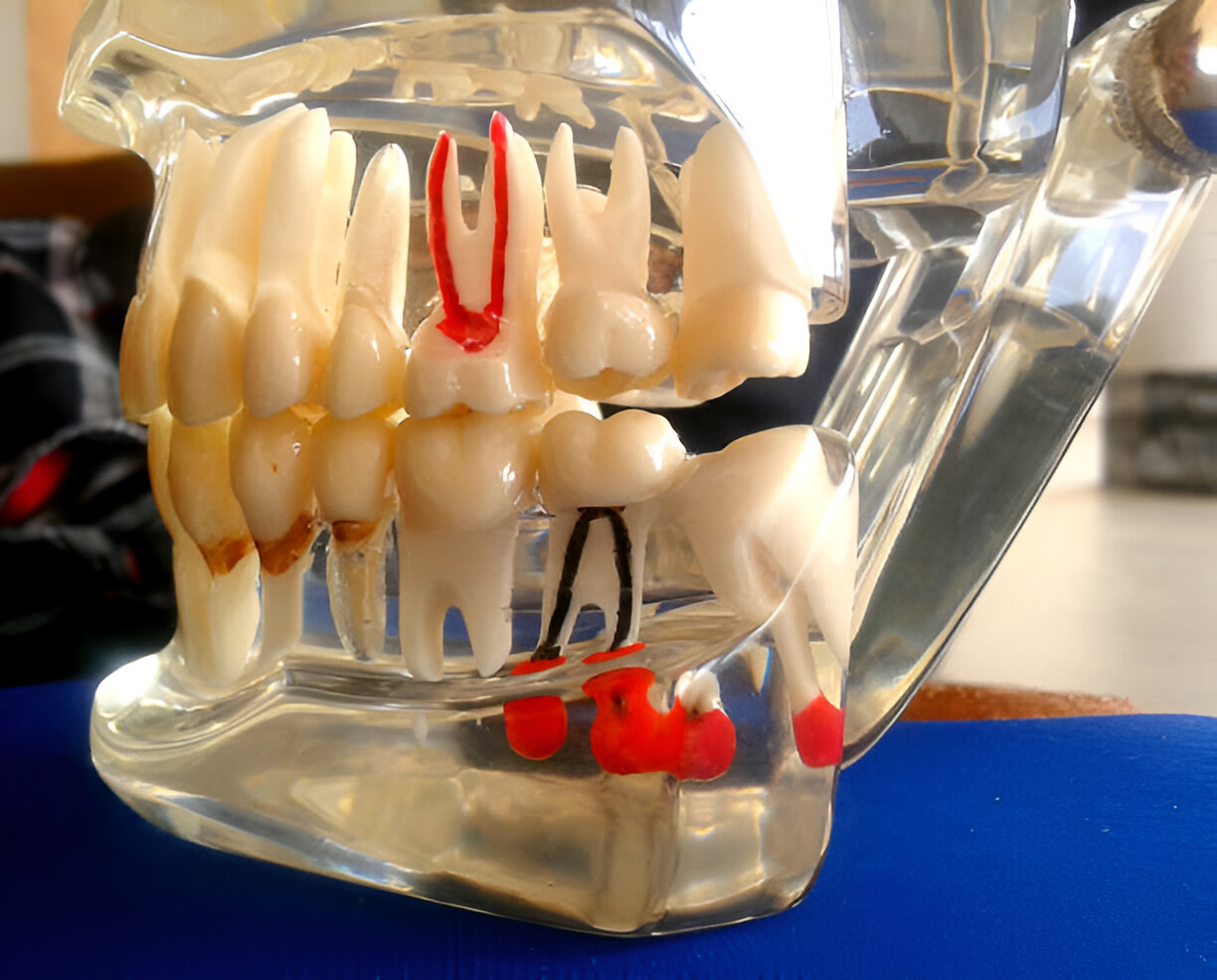
Category : Root Canal

How Does a Root Canal Save Your Tooth? A Corsicana, TX Dentist Explains

Introduction

Let’s face it – Root canals have been around for a long time, yet many people continue to have mixed reactions about undergoing the treatment. 

Part of that comes from old stories. Part of it comes from not knowing exactly what the procedure involves.

However, what often goes unnoticed is why your dentist in Corsicana, TX, suggests it in the first place. 

Root canal isn’t designed to remove teeth; it’s a secure option to protect them naturally.

Wonder why? 

A damaged or infected tooth doesn’t always need to be extracted. In many situations, the problem is limited to the inside of the tooth, while the outer structure remains strong enough to save.

Therefore, this blog takes a closer look at the different sides of root canal via topics like:

  • The Leading Problem – Why Dentists Recommend Root Canals
  • The Root Canal Procedure in Detail
  • How Root Canals Help Save Natural Teeth

So continue reading as we learn more about root canal treatment in Corsicana, TX, in the following sections. 

The Leading Problem – Why Dentists Recommend Root Canals

Most people don’t give much thought to what’s in a tooth until something starts to bother them.

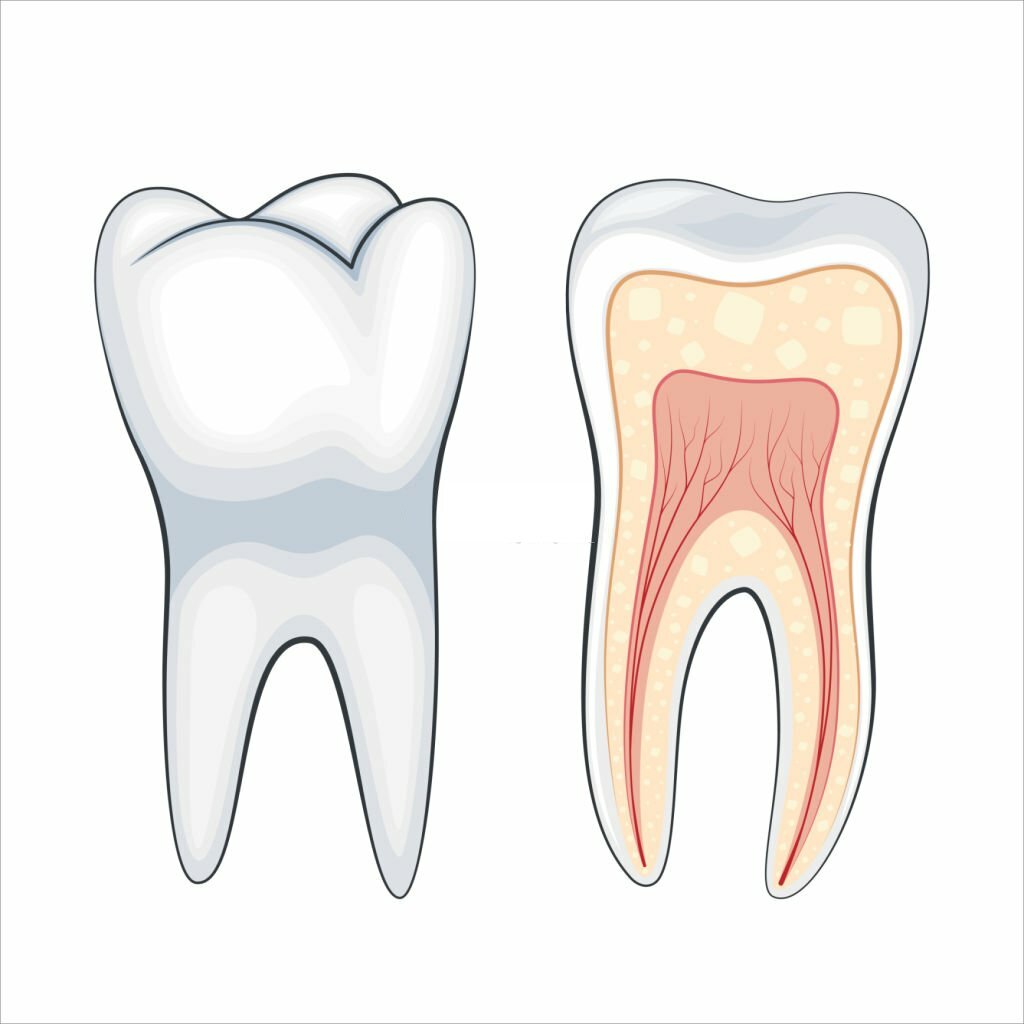
Beneath the hard outer layers of each tooth is a soft area that contains nerves and blood vessels. Dentists call this the pulp. When bacteria reach this part of the tooth, things get a little more complicated than with a typical cavity.

There are a few ways that can happen. 

One of the most popular reasons is deep decay. Bacteria can also enter through a crack in the tooth. Sometimes an injury that happened years ago can cause problems inside the tooth later. Symptoms may not always be the same.

One patient may have stabbing pain when eating. One may only notice residual sensitivity when sipping something cold. Some people are surprised to learn they have an infection during a routine exam because they have never really experienced the pain.

If the goal is to remove the infection while keeping the tooth in place, then a root canal is generally recommended. Dentists for root canal near Corsicana will first assess whether the tooth can be saved rather than immediately pulling it.

That’s why root canals are a common treatment option. It’s not about uprooting the tooth; it’s about saving it before the damage becomes more extensive.

The Root Canal Procedure in Detail

Stage I – Examination and Diagnosis

The first step is figuring out exactly what’s happening inside the tooth. A dentist examines the area, reviews symptoms, and takes digital images if needed. This helps determine whether the pulp has been affected and whether a root canal is the right solution.

Stage II – Removing the Infected Tissue

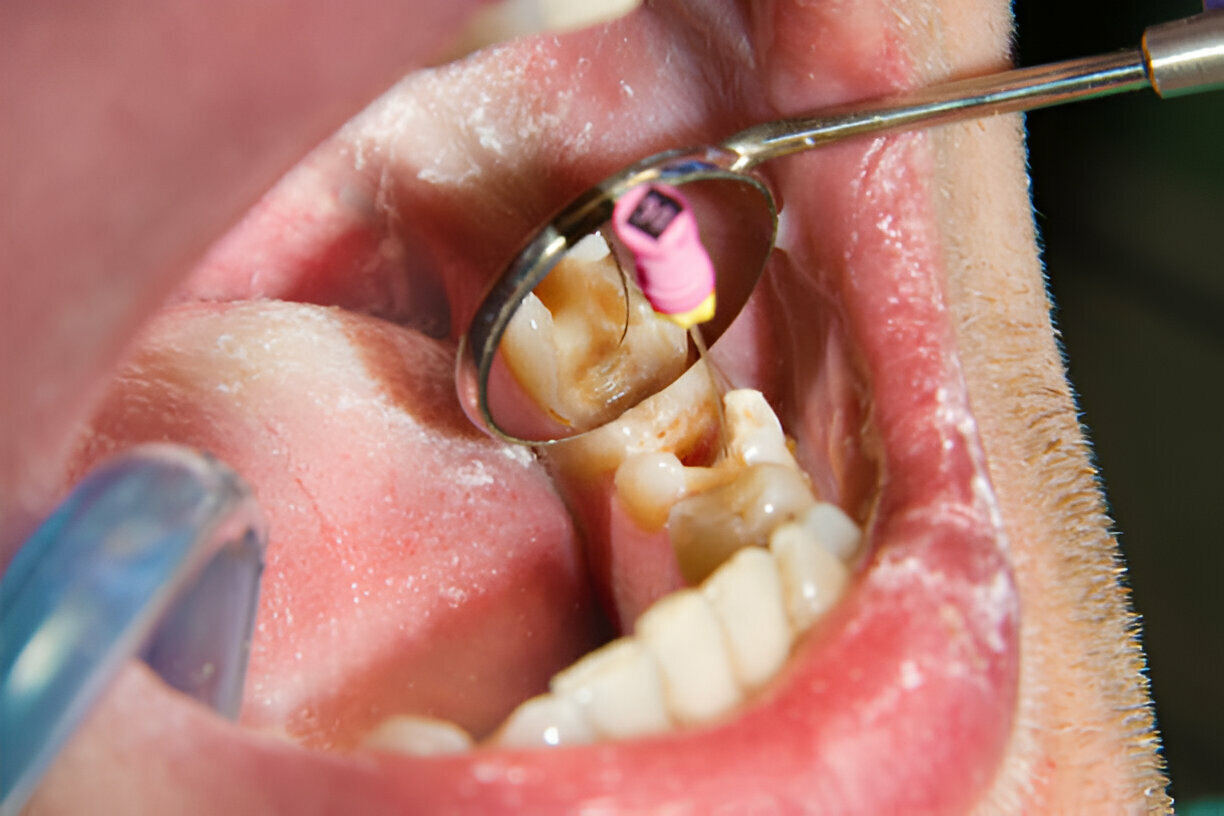
After treatment begins, a small opening is made in the tooth. This provides access to the infected pulp, which is carefully removed to subside infection and pain. 

Stage III – Cleaning the Root Canals

After the pulp is removed, the narrow canals inside the tooth are cleaned and disinfected. This part of the process helps reduce the chance of bacteria remaining in the area.

Stage IV – Sealing the Tooth

The cleaned canals are then filled and sealed. This protects the inside of the tooth and helps prevent future contamination.

Stage V – Protecting the Tooth

Many teeth benefit from a dental crown after treatment. The crown adds strength and helps the tooth handle everyday chewing forces more comfortably.

For most patients, Navarro Dental Center’s root canal procedure is much more straightforward than they expected. The goal remains the same throughout every step: remove the infection while preserving the natural tooth whenever possible.

At A Glance

Who Qualifies? Patients experiencing persistent tooth pain, sensitivity, swelling, or signs of infection are ideal candidates for the treatment.
Process Overview Step 1

Book a meeting with your dentist for an oral scan.

Step 2 

They will examine your teeth and perform root canal surgery to remove the root.

Step 3 

Suggest aftercare tips for faster, better healing.

Timeline The entire treatment process takes a few visits to complete and months to heal.
Aftercare Follow your dentist’s instructions and avoid certain foods.
Location & Contact Navarro Dental Center
1661 W 2nd Ave, Corsicana, TX 75110, United States

How Root Canals Help Save Natural Teeth

Wonder how visiting a dentist can help you save your smile? Here’s a closer look at how root canals help save natural teeth. 

  • Stops Infection From Spreading:

It is uncommon for an untreated infection to remain unchanged. Eventually, the bacteria can spread beyond the tooth and affect the surrounding tissues. Root canal treatment removes infected tissue before the problem becomes more difficult to treat.

  • Helps Maintain Normal Chewing Function:

The natural teeth play an important role every time a person eats. Patients are often able to continue chewing comfortably with an existing tooth, rather than adapting to the loss of a tooth.

  • May Not Need to Pull Teeth:

Many patients believe that if a tooth gets infected, the only solution is to have it pulled. In practice, a general dentist for root canal in Corsicana often tries to save the tooth first.” As long as there is enough healthy structure left, a root canal can do that.

  • Promotes Long-Term Oral Health:

All teeth work together with the teeth around them. Preserved Teeth help keep the spacing and functioning of the rest of the mouth. This can reduce the need for any further treatment down the line.

Root Canal Care – The Corsicana Connection

Patients in Corsicana often ask the same questions when root canal treatment is recommended. 

  • How uncomfortable will it be? 
  • How long will recovery take? 
  • Is saving the tooth really worth it?

These concerns are completely normal.

The team at Navarro Dental Center takes time to explain the condition, discuss treatment options, and help patients understand what to expect before moving forward. Clear communication often makes the experience less stressful, especially for individuals who have never needed a root canal before.

With modern dental technology and a patient-focused approach, treatment is designed to address the infection while helping patients feel informed throughout the process.

For many people, the goal is simple: relieve discomfort, protect the tooth, and return to everyday life as quickly as possible.

FAQs

  1. How do you know if you need a root canal?

Persistent tooth pain, lingering sensitivity, swelling, or discomfort while chewing may indicate a problem inside the tooth. A dental exam is needed for confirmation.

  1. How long does root canal recovery take?

Most patients return to normal activities within a day or two. Mild soreness is common but usually temporary.

  1. Can a general dentist perform a root canal in Corsicana, TX?

Yes. Many general dentists perform root canals, though complex cases may be referred to an endodontist.

  1. What should you avoid eating after a root canal?

Avoid hard, crunchy, or sticky foods until the tooth has fully recovered or been permanently restored.

  1. Does a root canal hurt during or after the procedure?

The procedure itself is typically comfortable with local anesthesia. Some mild soreness afterward is normal and usually improves within a few days.

Conclusion

A root canal can make the difference between saving and losing a tooth. The procedure is often thought of as something to be feared, but the objective is simple enough: to eliminate infection, relieve discomfort, and, where possible, help preserve the natural tooth.

The sooner a problem is found, the more treatment choices are usually available. Persistent tooth pain, sensitivity, or swelling? A dental evaluation can help identify the cause and determine if a root canal is an appropriate next step. 

Ready to take the next step to fix your smile? Connect with our experts at Navarro Dental Center and experience the difference professionals bring to the table.
Root Canal Therapy for Baby Teeth in Corsicana, TX: What Parents Should Know About Saving Primary Teeth

Summary:

Most parents have a misconception that taking care of the baby teeth is not required, as they are going to fall off. 

However, the truth is that a healthy set of primary teeth is crucial for building a strong foundation in your child’s speech and nutrition. Oral development, and even the alignment of the permanent set of teeth. 

According to the American Academy of Pediatric Dentistry, over 20% of children under age 5 experience tooth decay in their baby teeth, which can lead to pain and long-term dental problems if left untreated. This is why dentists recommend root canal therapy to save infected teeth.

In this article, we will cover:

  • Why Saving Baby Teeth Matters
  • Understanding Root Canal Therapy for Baby Teeth
  • Signs Your Child Might Need a Root Canal.

Continue reading to learn more about root canals for baby teeth in the following sections. 

Why Saving Baby Teeth Matters

Baby teeth might seem temporary and therefore not considered important to take care of, but they play a big role in your child’s growth and development.

Key Functions of Baby Teeth

  • Speech Development: Baby teeth help children build up the clarity of their speech. Missing teeth can sometimes make it difficult for them to pronounce certain words.
  • Chewing and Nutrition: Baby teeth also help them to chew their food properly. This supports good digestion of the food and overall health.
  • Guiding Permanent Teeth: Temporary teeth act as a natural space holder, thereby providing the proper alignment for the next set, i.e., the permanent teeth to grow.

Consequences of Early Tooth Loss

When a baby tooth falls off due to decay or injury, it leads to the neighbouring teeth shifting out of place as they try to occupy the space left. This might lead to crowding, misalignment, or bite problems, which in turn require braces later.

Building a Healthy Smile for the Future

If we keep the set of baby teeth healthy and properly maintained, it sets the stage for strong, well-aligned adult smiles. Regular care and treatment for baby teeth helps protect your child’s long-term oral health. 

Understanding Root Canal Therapy for Baby Teeth

When the inner pulp becomes infected or inflamed, a gentle dental procedure is worked out to save the child’s baby tooth. This procedure is termed pediatric root canal, also known as a pulpotomy or pulpectomy. 

The procedure works in a manner in which, instead of removing the entire tooth, the dentist removes the damaged part of the pulp and then seals the area to protect it from future infection. 

This process helps keep the damaged tooth healthy and your child’s smile fresh and rejuvenated until the permanent tooth is ready to erupt. 

When Is It Needed?

A pediatric root canal is carried out when:

  • A cavity affects the tooth really deeply and reaches the inner layers.
  • The tooth is injured or even cracked due to trauma.
  • When a tooth is left untreated for an extended period, it can lead to further decay and cause pain or infection in the pulp.

How It Differs from Adult Root Canals

Root canal treatments that are carried out in adults and children are completely different. In children, dentists use less invasive and different filling materials that are gentle and suitable for young, growing teeth. The procedure is significantly faster compared to adults, and recovery time is also shorter.

Comfort and Care in Corsicana, TX

When you’re looking for a dentist for root canals, then reach out to the pediatric dentists in Corsicana, TX, who are specialized in their fields and can make your experience calm and comfortable. 

Signs Your Child Might Need a Root Canal

As a parent, seeing your child suffer because of tooth problems can be worrying. This is why you should look for the specific signs mentioned here that may indicate a need for a root canal to save the tooth. 


  • Persistent Toothache

If your child is constantly complaining of a severe toothache that does not go away, it could mean that the tooth’s pulp is infected or inflamed.


  • Sensitivity to Hot or Cold

When you eat or drink something hot or cold and experience pain or discomfort, it is likely due to pulp problems. 


  • Swelling Around the Tooth

If you notice any bumps or swollen gums near the affected tooth, it may indicate that the tooth needs prompt attention.


  • Changes in Tooth Color 

A tooth that looks a little different from the rest and appears darker or has a grayish tint than the rest indicates that it is suffering from internal damage.

The Root Canal Procedure Explained

Visiting a pediatric root canal dentist for a child, as well as for adults, might seem overwhelming at times. This is why it is essential to understand the steps involved that will alleviate your worry. Here is what you can expect:

Stage I – Examination and X-rays:

The procedure begins with the dentist conducting a thorough and careful examination to assess the extent of the infection or damage. This helps to plan the treatment precisely.

Stage II – Local anesthesia and child-friendly sedation:

Local anesthesia is used to keep your child comfortable during the procedure. If your child feels anxious, gentle sedation can help ease their experience and make them feel more at ease.

Stage III – Removal of the infected pulp:

The next step is to remove the damaged or infected pulp inside the tooth. This helps to prevent the infection from spreading.

Stage IV – Cleaning and Sealing the Tooth: 

Once the infected pulp is removed, the inside of the tooth is thoroughly cleaned and shaped, and it is sealed with a safe filling material.

Stage V – Placement of a Crown for Protection: 

Finally, a crown is placed to strengthen and protect the tooth, allowing it to function normally.

Preventing Future Dental Issues

Taking care of your teeth now will save you from much bigger problems in the future. Here is how to keep your smile healthy:

  1. Brush and Floss Properly: Brush and floss your teeth regularly with fluoride toothpaste to remove plaque and prevent decay.
  2. Watch Your Diet: It is essential to limit your consumption of sugary snacks and drinks. These foods are a source of feeding harmful bacteria that cause cavities and infections.
  3. Regular Dental Visits:  Visit your trusted dentist in Corsicana, TX, regularly for routine check-ups and cleanings. If small issues are detected early, they can prevent painful and costly treatments in the future.
  4. Early Intervention Matters: Don’t wait for the condition to worsen. Preventive care is the key to maintaining strong, healthy teeth for years to come. 

Takeaway

  • Healthy primary teeth support speech, chewing, and proper alignment of permanent teeth.
  • Pediatric root canal therapy treats infection while keeping your child’s baby tooth intact.
  • Regular dental visits, good hygiene, and a balanced diet protect your child’s long-term oral health.
  • Ready to give your child a pain-free smile? Connect with our experts at Navarro Dental Center today!

Does a Root Canal Hurt? What to Expect at Navarro Dental in Corsicana

Summary:

A root canal might sound intimidating, but modern dental advancements have made this procedure virtually painless. At Navarro Dental Center in Corsicana, our dentists for root canal treatments ensure a smooth and comfortable experience. This blog explores what a root canal involves, why it’s necessary, the procedure itself, and what to expect before, during, and after treatment. We’ll also debunk common myths and explain why choosing an experienced dentist in Corsicana, Texas, makes all the difference.


What Is a Root Canal?

A root canal is a dental procedure that removes infected or inflamed pulp from the inside of a tooth. This treatment is designed to save your natural tooth by eliminating infection, preventing further decay, and relieving pain. Without it, a severely infected tooth might need extraction, leading to additional oral health complications.

Does a Root Canal Hurt? What to Expect at Navarro Dental in Corsicana_1


When Do You Need a Root Canal?


A root canal becomes necessary when the pulp inside your tooth, containing nerves, blood vessels, and connective tissue, becomes infected or inflamed. This condition can result from deep decay, repeated dental procedures, cracks, chips, or trauma to the tooth. If left untreated, the infection can spread, leading to more severe oral health issues, including tooth loss or infections that impact overall health.


Here are some key symptoms that may indicate the need for a dentist for a root canal:


1. Persistent Tooth Pain

A toothache that doesn’t go away—even after eating, drinking, or taking pain relievers—could be a sign of infected pulp. The pain may be constant or come and go but typically worsens over time.


2. Sensitivity to Hot and Cold

If you experience sharp or lingering pain after consuming hot or cold foods and beverages, it may indicate nerve damage inside the tooth. Unlike normal sensitivity, which fades quickly, this discomfort lingers, signaling a deeper issue.


3. Swollen or Tender Gums

Inflammation around the affected tooth can point to an underlying infection. Swollen, red, or tender gums, especially if they feel painful when touched, may indicate deep decay or an abscess forming beneath the gums.


4. Tooth Discoloration

A darkening or grayish tooth could mean the nerves deteriorate due to infection or trauma. This discoloration occurs when the pulp tissue breaks down, cutting off blood flow to the tooth.


5. A Pimple-Like Bump on the Gums

A small bump, often filled with pus, on the gum near a painful tooth may indicate an abscess. If not treated promptly, this severe infection can spread to surrounding teeth, the jawbone, and even the bloodstream.

Ignoring these symptoms can lead to severe complications, such as bone loss, tooth loss, and infections spreading to other areas of the body. If you experience these signs, schedule an appointment with your dentist as soon as possible. A timely root canal can save your tooth, relieve pain, and restore oral health.


Debunking the Myth: Does a Root Canal Hurt?

The phrase “root canal” often evokes fear, but reality differs. The procedure is no more painful than getting a standard dental filling, thanks to modern anesthesia and advanced technology.

Pain is usually associated with the infected tooth before the treatment, not the procedure itself. Root canals relieve pain by removing the infection and pressure caused by inflammation.


What Happens During a Root Canal?

  1. Examination and X-rays—During root canal procedures, your dentist for root canal will examine the tooth and take X-rays to assess the infection.
  2. Anesthesia Application – A local anesthetic will numb the area, ensuring a pain-free experience.
  3. Removing the Infection – The dentist creates a small opening in the tooth to remove the infected pulp.
  4. Cleaning and Disinfection – The inner chamber is thoroughly disinfected to prevent reinfection.
  5. Filling and Sealing—A rubber-like material called gutta-percha is used to fill the space and seal it to protect it from bacteria.
  6. Restoration – Depending on the damage, a crown may be placed over the tooth to restore its function and appearance.


How Long Does a Root Canal Take?

The entire procedure typically lasts 30 to 90 minutes. Some cases may require two visits, especially if the infection is severe. However, at Navarro Dental Center, our skilled dentists in Corsicana, Texas, ensure an efficient and comfortable experience.


Fun Fact About Root Canals:

Did you know that over 15 million root canals are performed annually in the U.S.? Despite their bad reputation, this treatment has a 95% success rate, preserving natural teeth for many years!


Recovery and Aftercare

Once your root canal is complete, mild discomfort may last a few days. Here’s how you can manage it:

  • Over-the-counter pain relief – Medications like ibuprofen can reduce soreness
  • Soft diet – Avoid hard, crunchy foods for a few days
  • Good oral hygiene – Brushing and flossing regularly will keep your treated tooth in top shape
  • Follow-up appointment – Ensure everything is healing correctly by visiting your dentist for root canal check-ups

Does a Root Canal Hurt? What to Expect at Navarro Dental in Corsicana_2

What If You Skip a Root Canal by Dentists in Corsicana, Texas?

Neglecting treatment can cause:

  • Worsening pain
  • Tooth loss
  • Infection spread to other teeth and the jawbone
  • Possible need for an extraction and expensive restorations

A root canal is always preferable to tooth loss for oral health and financial reasons.


Book Your Appointment Today!

If you’re experiencing tooth pain, sensitivity, or swelling, don’t wait. Navarro Dental Center offers expert root canal treatments with a gentle touch. Let our experienced team restore your smile and eliminate pain efficiently. Call us today to schedule your consultation!


Key Takeaways

  • A root canal is a painless and effective way to save an infected tooth.
  • Modern technology ensures a comfortable procedure with local anesthesia.
  • Dentists in Corsicana, Texas, at Navarro Dental Center, use advanced techniques for quick and efficient treatment.
  • Recovery is fast and manageable, with minimal discomfort.
  • Ignoring a needed root canal can lead to serious complications.

Root Canals and Beyond Comprehensive Care at Navarro Dental Corsicana Texas

Summary:

Root canals can be daunting, but at Navarro Dental Center in Corsicana, Texas, patients receive top-tier care and comprehensive guidance for a smooth experience from start to finish. This blog covers essential insights into what to expect during and after a root canal, practical aftercare tips, and signs to watch post-procedure. Navarro Dental Center, your trusted root canal dentist, is committed to advanced treatment options beyond root canals, ensuring optimal dental health and comfort.

Root canal treatments are vital in saving teeth that are otherwise at risk of extraction. Removing infected tissue and sealing the tooth preserves your smile’s natural structure and appearance. At Navarro Dental Center in Corsicana, Texas, our expert root canal dentists go beyond standard care, offering advanced aftercare and preventive treatments that ensure optimal dental health. From managing discomfort to detailed aftercare plans, here’s a deep dive into what Navarro Dental in Corsicana, Texas, provides for root canals and other essential dental services.

Root Canals and Beyond Comprehensive Care at Navarro Dental Corsicana Texas_1

Understanding the Root Canal Procedure

Root canal treatment can feel intimidating, but understanding the procedure helps demystify it. Your dentist removes the damaged or infected pulp within the tooth’s root canals during the treatment. The space is then cleaned, disinfected, and sealed, preventing infection. Most patients at Navarro Dental Center in Corsicana, Texas, experience minimal discomfort during the procedure, thanks to advanced anesthetics and gentle techniques.

Afterward, patients often receive a temporary crown to protect the treated tooth. After healing, a permanent crown may be placed to restore full functionality and aesthetics.

Root Canal Aftercare Tips for a Smooth Recovery

Recovery following a root canal is typically straightforward, especially with these simple aftercare tips:


  • Watch Your Diet

Avoid eating immediately post-treatment. Once you’re cleared to eat, focus on soft foods like yogurt, applesauce, and mashed potatoes. Avoid hard, crunchy foods that could disturb the temporary crown or treated tooth.


  • Maintain Good Oral Hygiene

Brush and floss gently around the treated area. If you experience sensitivity, consider using a soft-bristled toothbrush and rinsing with warm salt water to keep the area clean and prevent infection. Navarro Dental Center advises patients to prioritize careful brushing to support faster healing.


  • Reduce Swelling with Cold Compresses

Swelling is normal during recovery. To manage it, apply a cold compress to the outside of your cheek for 20 minutes. This reduces inflammation and helps ease any discomfort.


  • Get Ample Rest

Take it easy for a few days post-treatment. Physical rest helps your body focus on healing, reducing the risk of prolonged swelling or discomfort. Avoid strenuous activity, as it may exacerbate the pain or lead to complications.


  • Follow Your Dentist’s Instructions

Adherence to post-op instructions from your root canal dentist ensures the best outcome. This may include taking prescribed medication, attending follow-up visits, and using recommended oral rinses or antibiotics.


How Long Does Recovery Take?

The majority of patients find that recovery lasts about one to two weeks. While mild sensitivity may persist, pain generally subsides within a few days. Full recovery, including the placement of a permanent crown if needed, can vary based on the complexity of the case and your body’s healing response. Navarro Dental Center supports you throughout recovery with personalized follow-up care to ensure successful treatment.

Root Canals and Beyond Comprehensive Care at Navarro Dental Corsicana Texas_2

Why Choose Navarro Dental Center for Root Canal Treatment in Corsicana, Texas?

Patients often seek Navarro Dental Center for its high standards of dental care. Here’s what makes them a preferred choice:

  • Experienced Specialists

Navarro Dental in Corsicana, Texas, is home to skilled root canal dentists focusing on patient comfort and optimal outcomes. They ensure that every patient’s needs are met with precision and care.


  • Cutting-Edge Technology

Advanced dental technology, such as digital imaging and rotary endodontics, makes procedures smoother, quicker, and more comfortable. These tools also ensure that every step of the process is as effective and minimally invasive as possible.


  • Comprehensive Dental Care Beyond Root Canals

Navarro Dental Center provides many dental services beyond root canal treatment, including preventive care, cosmetic dentistry, and restorative procedures. This holistic approach allows for continuity of care, where patients can confidently address all their dental needs in one place.

Fun Facts About Root Canal Treatment

  • 15 Million Root Canals Per Year

In the U.S., around 15 million root canal procedures are performed annually, helping countless people avoid extractions and preserve their natural smiles.


  • Not as Painful as You Might Think

Advances in anesthetics and dental technology mean root canals are virtually pain-free today, often comparable to a routine filling.


  • High Success Rates

Root canal treatments have a success rate of over 95%, and treated teeth can last a lifetime with proper care.


Signs to Watch Post-Root Canal

While most patients recover smoothly, staying alert to any unusual symptoms post-treatment is essential. Contact Navarro Dental Center immediately if you experience any of the following:


  • Severe Pain

Mild discomfort is normal, but severe, persistent pain may indicate a complication.


  • Swelling That Worsens

If minor swelling occurs, spreads, and doesn’t improve within a few days, infection might be the cause.


  • Fever or Nausea

These symptoms may indicate infections. Promptly following up with after-care procedures would help resolve most of these issues.


Your Go-To Root Canal Dentist in Corsicana, Texas

At Navarro Dental in Corsicana, Texas, root canals and comprehensive dental care are our specialties. We focus on providing compassionate care with exceptional results, guiding our patients every step of the way. Whether you need preventive care, restorative treatments, or advice on managing post-procedure recovery, our team of experts is here to help.

Root Canals and Beyond Comprehensive Care at Navarro Dental Corsicana Texas_3


Key Takeaways

  • Personalized Care

Each root canal treatment plan is tailored to the individual for the best possible results.

  • Expert Guidance

Patients receive detailed aftercare instructions and guidance for optimal recovery.

  • Advanced Techniques

Our team uses the latest technology to ensure a smooth, efficient treatment.

  • Comprehensive Services

Navarro Dental offers a wide range of dental services beyond root canals to meet all your dental health needs.

Ready for Your Root Canal Treatment? Call Navarro Dental Center Today!

Navarro Dental Center in Corsicana, Texas, is dedicated to providing the highest quality care in a comfortable setting for those needing a root canal or other dental care. Call us today to schedule your consultation or to learn more about our comprehensive services.

Root Canal Aftercare: Tips for a Smooth Recovery

Summary:

The root canal treatment comes with a lot of questions and concerns! 

Although nearly 15 million people undergo the treatment, not many have the required knowledge about the aftercare steps for a smooth recovery. Root Canal Aftercare: Tips for a Smooth RecoveryTherefore, keeping the same in mind, this blog takes a closer look at:

  • What To Expect During And After A Root Canal
  • 5 Quick Tips for Faster Root Canal Recovery
  • How To Prevent Infection After A Root Canal
  • How Long Does it Take to Recover from A Root Canal?
  • Signs to Watch Post Root Canal

Continue reading as we learn more about the procedure in the following sections. 

What To Expect During and After A Root Canal

The prospect of having a root canal treatment can be intimidating! Understanding what to expect can help alleviate your concerns during and after the procedure. 

Once you visit their clinic, your endodontist or dentist for a root canal will extract the diseased or damaged pulp from your tooth. Following this, they will clean the root canals before sealing them with a filling. You may feel discomfort during the treatment, but this is generally treated with local anesthetic. Root Canal Aftercare: Tips for a Smooth RecoveryAfter the procedure, you may experience sensitivity in the treated area for a few days as your body recovers and adapts to the new filling. However, in certain situations, you may need a crown or undergo other restorative oral procedures following a root canal. 

Lastly, you must follow up on all advised appointments to resolve any outstanding concerns immediately.

Now that you understand the treatment, let’s look at some quick tips to enhance recovery. 

5 Quick Tips for Faster Root Canal Recovery

1. Avoid Eating Right Away

Following a root canal treatment, you might have difficulty eating some food items as your gums and teeth may still be swollen. Moreover, some food items have the potential to damage a temporary or permanent crown in a few hours or days following the root canal procedure. 

2. Adjust Your Diet During Recovery

In general, avoid crunchy, hard, and spicy meals. Instead, pick cold, soft meals that you like. However, you can later re-introduce yourself to specific food items (eventually) as the sensitivity and discomfort lessen.

Here’s a list of food items that are suitable for healing root canals:

  • Frozen yogurt and ice cream
  • Applesauce
  • Peanut butter
  • Soft bread
  • Cooked vegetables
  • Bananas
  • Yogurt
  • Mashed potatoes
  • Scrambled eggs
  • Pudding
  • Soup (not too hot!)

When eating, try to avoid biting on the side of your mouth where your root canal was performed, especially if you have a temporary crown placed in your jaw. 

3. Elevate Your Head & Use a Cold Compress

Inflammation and swelling are frequent side effects that you could experience after a root canal. Therefore, keep your head up after you’re home and place a cool compress on your cheek for a few minutes. Repeating cold compress might help lessen swelling or any associated discomfort. 

What’s more? You can also wrap an ice pack or a tiny bag of ice in a clean cloth or towel to create a homemade cold compress. Remember, you can use a cold compress for up to 20 minutes, interspersed with 20-minute rest intervals. 

4. Keep Up with Your Oral Hygiene

Maintaining adequate oral hygiene is a must during your recovery! If your teeth and gums are too uncomfortable to brush and floss, rinse your mouth with warm salt water for a few days to help prevent infections.Root Canal Aftercare: Tips for a Smooth RecoveryOnce the stiffness has subsided, you can resume regular brushing and flossing. You may (and should) brush and floss while wearing a temporary crown, but remember that particular mouth parts require special attention. Temporary crowns are less durable than permanent crowns, and deterioration might lead to infection.  

5. Get Some Rest

Rest is a crucial element when you’re recovering from a root canal therapy. In rare circumstances, your dentist may advise you to avoid intense exercise for several days. Excessive physical exercise during your recovery period may impede your recovery and raise your risk of long-term edema or problems.

How To Prevent Infection After A Root Canal

Preventing infection following a root canal is critical to the treatment’s effectiveness. The first step is to practice proper oral hygiene routines, such as brushing and flossing frequently. 

It is also advisable to avoid eating or drinking anything that may aggravate the treated region for at least a few hours following the operation. Furthermore, follow your dentist’s post-treatment recommendations precisely. 

This might involve taking antibiotics or using an antibacterial rinse to help avoid infection. Remember, it’s critical not to miss any scheduled follow-up appointments with your dentist so that they can monitor your healing and identify any possible problems early on.

How Long Does it Take to Recover from A Root Canal?

Recovering from a root canal procedure generally takes 1–2 weeks. However, the timeline may vary for different individuals. 

You may feel mild to severe discomfort for the first few days, but this should subside over time and usually lasts only a few days. The time of your recovery may also vary depending on whether you visit the dentist for a root canal or if your treatment involves a permanent or temporary crown. 

Furthermore, potential difficulties such as an infection may prolong your healing time—but this can be prevented! Following your dentist’s instructions, making healthy choices, and continuing to care for your teeth can all help you recover from a root canal in a healthy and timely manner. 

Signs to Watch Post Root Canal

Following your root canal treatment at Navarro Dental Corsicana, TX, it is critical to monitor your recovery closely. 

Here are some of the signs and symptoms to watch for:

  • Severe Pain

Mild discomfort is an expected component of the healing process after a root canal, but severe, chronic pain is not. Suppose you have severe pain that does not go away with prescribed or over-the-counter pain relievers. It might mean that the region is not healing correctly or has an underlying problem, such as an undiscovered canal condition or infection.

  • Swelling

A small swelling following a root canal is normal as your body reacts to the surgery. However, if the swelling worsens, extends to other parts of your face or neck, or does not reduce after a few days, it may be a symptom of infection. Excessive swelling may also cause discomfort and make it difficult to open your mouth or swallow.

If you are experiencing any of these symptoms, please call your endodontist immediately. Prompt examination and treatment can successfully address these difficulties, keeping your recovery on track and avoiding future dental issues.

Takeaway

  • Your endodontist for a root canal will extract the diseased or damaged pulp from your tooth. 
  • Following a root canal treatment, you might have difficulty eating some food items as your gums and teeth may still be swollen.
  • Potential issues like an infection could also increase your recovery time.
  • Preventing infection following a root canal is critical to the treatment’s effectiveness. 
  • Still doubtful about the road to recovery post root canal? Let our experts at Navarro Dental Center resolve them for you. Visit us today! 


Comprehensive Guide to Dentistry for Root Canals

Summary:

Despite the air of mystery around oral treatment, a root canal is the go-to treatment option for 85% of individuals. Stats suggest that thousands of individuals opt for RCT daily. 

‘Root canal therapy’ is the most misunderstood treatment because individuals do not know the procedure. Understanding the step-by-step process can help you demystify the confusion and guide you through dentistry for root canals.

Keeping the same in mind, this blog explores:

  • Understanding the Root Canal: Why it Matters?
  • Benefits of Root Canal Therapy
  • What To Expect During A Root Canal Treatment in Corsicana, TX
  • Signs That You Need a RCT
  • Don’t Ignore the Symptoms of an Infected Tooth

Let’s learn more about these topics in the following sections. 

Understanding the Root Canal: Why it Matters?

A root canal is an oral procedure to save a severely infected or decayed tooth. The procedure involves removing the infected pulp from inside your tooth, followed by its thorough cleaning and sealing.

But what’s the logic behind pulp removal?

Pulp is the soft tissue that includes nerves, blood arteries, and other connective tissue. Once the pulp becomes infected or injured, it can be highly uncomfortable and painful, giving you severe pain in the jaw and cheeks.

A Comprehensive Guide to Dentistry for Root Canals_1

Your only option is to visit a dentist for root canals and undergo the treatment. These experts can eliminate the pain while removing the diseased pulp and preserving your tooth.

Benefits of Root Canal Therapy

Is a root canal necessary?

Many individuals have this question in mind when visiting their nearest canal treatment experts. Interestingly, the treatment is necessary because there are several benefits to RCT therapy. 

Here’s an overview of some of the perks of the treatment procedure: 

  • It saves your teeth: The most apparent advantage of an RCT is that it can potentially preserve your teeth. If you have a seriously damaged or diseased tooth, RCT can help you maintain it and prevent extraction.
  • It relieves severe pain: The discomfort can become excruciating when you have an infected tooth. However, this is where root canal therapy might assist in decreasing discomfort and make you feel more at ease.
  • Prevents further damage to your tooth: If left untreated, the infection can spread to other regions of your tooth and cause severe harm. However, it can avoided if you visit your nearest dentist in Corsicana, TX, for canal dentistry.

What To Expect During A Root Canal Treatment in Corsicana, TX

When you visit your nearest dentist in Corsicana, they will examine you for possible root canal indications. Once the dentist is sure about the problem, they will walk you through the procedure, which can be divided into different stages, namely: 

Stage 1: Numbing the area

When you arrive for your RCT appointment, the dentist will numb the region with a local anesthetic (often Novocaine). Since the numbing medication must be injected into the gums and the tooth’s root, this is possibly the most painful portion of the surgery. The discomfort will be brief, like any other injection, and the numbness will arrive quickly. 

A Comprehensive Guide to Dentistry for Root Canals_2

Step 2: The RCT procedure

The operation will begin after the preparation is complete. The steps are straightforward and uncomplicated. The initial step is to access and clean the diseased roots. 

Your dentist drills through the crown to expose the root canals and pulp chamber. You may feel some pressure in the region where we are drilling, but you should not experience any pain due to the Novocaine. 

Step 3: Removing the infected pulp and placing the crown

After creating an access hole, the dentist will use specialized files to remove the diseased pulp carefully. After removing the diseased pulp, the space is filled with gutta-percha, a rubber-like substance. 

Once the space is filled, the dentist will place a crown to stabilize and strengthen the cavity. Before you know it, the RCT is complete! 

Most visits are 30 to 60 minutes, but more difficult situations might take an hour and a half. The average recovery period is three days. 

If you experience discomfort, sensitivity, or pain lasting more than 4 or 5 days, visit your Root canals experts as soon as possible. 

Signs That You Need a RCT

How can you tell if you need a root canal?

The answer is pretty straightforward! You know it is time to connect with your nearest oral expert if you come across any of these symptoms: 

  • Severe Pain and Sensitivity

Pain is among the most evident indications of a dental infection. You may experience it abruptly or in waves from an infected cavity. This can further worsen when you lie or sit down. 

What’s more? The recurring pain might sometimes be accompanied by sensitivity to cold and hot meals or drinks. Although sensitivity does not necessarily imply an infection, it should be evaluated by your dentist.

  • Swollen and Darkened Gums 

Swollen or darkened face gums are among the most obvious RCT symptoms. The gums might bulge as the soft tissue around an infected tooth gets inflamed. When brushing, this might cause slight pain or bleeding.

When you have an infection, your gums may also deepen in color. Pay attention to these warning flags. Even if an RCT is not required, changes in the look or size of your gums should be reported to your dentist.

  • Pimples on the Gums 

Small pimples on the gums indicate an infection near the root. While they may recur like edema and discomfort, they will not go alone. You are more likely to lose your teeth when you wait to see your dentist.

  • Damage to the Tooth 

RCT is more likely if the tooth generating the pain and sensitivity is compromised. When a molar is chipped, cracked, or broken, the softer tissue within becomes exposed, leading to infection. 

Repairing the damage as soon as possible might help avoid needing an RCT. Inlays, onlays, fillings, and crowns are a great way to heal damaged teeth.

  • Bad Taste in the Mouth and Persistent Bad Breath 

If the infection is severe enough, you may develop an abscess. This might result in a severe infection, swelling, and leakage from within and around the tooth. This can cause a particularly unpleasant aftertaste in the mouth and chronic foul breath, even after brushing and washing.

Don’t Ignore the Symptoms of an Infected Tooth

Ignoring the symptoms of an infected tooth is one of the most severe mistakes numerous individuals make. Therefore, no matter the severity of your condition, if you have a swollen face, severe pain, or a damaged molar, consult the dentist as soon as possible. 

A Comprehensive Guide to Dentistry for Root Canals_3

Whatever symptoms you are experiencing, you may schedule an appointment to address any of your dental issues. Remember, a thorough examination can differentiate between lost or rescued teeth. 

Takeaway

  • Over 85% of people opt for RCT to preserve their teeth. 
  • Repairing the damage as soon as possible might help avoid needing an RCT. 
  • If you experience discomfort, sensitivity, or pain lasting more than 4 or 5 days, visit your Texas canals experts as soon as possible. 
  • Eliminate your root canal concerns today! Visit our experts at Navarro Dental Center and learn more about the treatment procedure. 

When Is It Okay To Have A Root Canal Done By A General Dentist?

You must seek treatment as soon as possible if you’ve been told that your root canal system is contaminated. However, you must first choose between visiting a dentist and an endodontist for a root canal.

The affected tooth type and its roots’ structure can be crucial considerations, though you should always see your dentist in Navarro before making any decisions. But first, let’s speak about how endodontists and dentists differ.

Endodontists are professionals since they have undergone additional training beyond dental school for two or more years, much like a surgeon in any other specialty.

Their further education focuses on detecting tooth discomfort, doing tooth canals, and performing other procedures involving the inside of the tooth.

Endodontic therapy frequently enables the survival of a sick tooth. Because of this, endodontists are happy to identify themselves as Experts in Preserving Teeth.

Why Do You Need A Root Canal?

Although the root canal procedure is more widely recognized, it involves treating a vital component of your tooth. A root canal is performed to remove or treat infected pulp or nerve tissue within the tooth.

Root canal therapy may be the only way to save a tooth when it is severely damaged or decaying. However, if you wait too long, you can lose the tooth and have a prosthetic implant, even though a tooth canal is sometimes the only choice to save a tooth.

A tooth canal usually causes little to no pain, which is unquestionably less painful than a decaying tooth.

When Is A Root Canal Necessary?

It is performed when the pulp (the delicate interior of a tooth) is inflamed, injured, or infectious.

The tooth’s crown, which is the part that is visible just above the gums, can still be intact even if the pulp is dead. Removing the injured or infected pulp is the best method to safeguard the tooth’s structural integrity.

The most common symptoms of pulp injury are tooth pain, swelling, and a warm sensation in the gums. Your dentist Navarro will examine the cause behind the aching tooth and will take a few X-rays to confirm the diagnosis. Your dentist might suggest an orthodontist if they conclude that you need braces.

Benefits Provided By General Dentists

The advantages of hiring a root canal endodontist to complete your work that was described above will only sometimes be significant.

That’s because only some root canal operations are complex. Additionally, there are some benefits to having your dentist do root canal work if they are more than capable.

Lower Costs

The cost of using a specialist’s services is typically higher. As a rule of thumb, an endodontist’s fee for an identical procedure is anticipated to be greater than your ordinary dentist’s bill.

A Setting That Is Comfortable For You

The benefit of having your regular dentist do the work is that it will be done in a setting and by someone you are already comfortable with.

Additionally, your root canal dentist’s office might be more understanding with scheduling, billing, and insurance concerns than an endodontist’s office might be because they already know you and your needs.

Convenience

Just locating an endodontist may be challenging in some regions of the country. It can be necessary to travel to one from a nearby city. Or, if one does come, it might only do so occasionally.

Continuity

Sometimes it is advantageous to have just one individual handle the many operations on your tooth canals. Since every person is unique, so are their dental needs. When consulting different dentists for root canal treatment, you’re at risk of undergoing different procedures every time. This way, you might ultimately risk your dental health.

Conclusion

Many people find root canal therapy frightening, whether it’s the prospect of discomfort or the process itself. When undergoing a root canal, it can be helpful to know whether or not one can attend their regular general dentist.

Most general dentists are well competent in doing these kinds of operations, including root canal therapy. However, they undergo significant dental training before being qualified to handle root canals.

However, some dental practices may lack the tools to perform It. The regular dentist in this situation would refer the patient to an endodontist dental expert who could carry out the therapy. All the best!

Consult The Experts Of Root Canal Treatment

When done by amateurs, It can be a painful experience. However, with professionals like the Navarro Dental Clinic close to your vicinity, you needn’t worry about anything. With years of experience, our professionals will help you undergo the process smoothly and effortlessly. Come, walk into our clinic or Call Navarro Dental Center today at 903-872-1661.

What Exactly Is A Root Canal?

Root canals might get a bad rap, but they are one of many options to save your natural teeth. Thanks to advances in technology, they are more comfortable and successful than ever.

Years ago, the mere thought of a root canal would cause people more pain than an actual toothache. But now, advances in digital imaging, materials, and techniques make the procedure almost as quick and safe as a filling.

WHY DO I NEED A ROOT CANAL?

Inside every tooth is the pulp which contains the blood vessels and nerves that provide nourishment for the tooth’s survival. If the nerves are compromised, they may die. This can be caused by a crack or fracture in the tooth, trauma to the nerve, a deep cavity, or several restorations to the same tooth over a period of time.

Left untreated, the dying nerve creates an infection, or abscess, that causes pain and swelling, and may even compromise the health of the bone and teeth surrounding the affected tooth.

If a root canal is necessary, your dentist will schedule a time for the procedure or refer you to a root canal specialist called an endodontist.

THE PROCEDURE

So, what exactly happens during a root canal? Despite the jokes and stories you may have heard, a root canal is a relatively painless and straightforward procedure. It can take one or two visits depending on a few factors such as the severity of the infection and how accessible the canals are.

First, your dentist will deliver some local anesthetic and take a preoperative x-ray of the tooth. Once you are numb, your dentist will place a rubber dam over the affected tooth. This prevents oral bacteria from contaminating the affected tooth after the infection is removed.

A small opening into the tooth is made, and nerve and pulp are removed using a series of small files. A disinfecting solution will help rinse away lingering bacteria. Once the canals are sterilized, they are filled with a rubber-like material called gutta-percha to prevent reinfection and to help stabilize the roots.

AFTER YOUR ROOT CANAL

Once your root canal is finished, your dentist may place a temporary filling until a permanent filling or crown can be scheduled. This will also give your dentist time to monitor the tooth and make sure all the infection is gone, and the tooth no longer has any symptoms.

Immediately after the root canal, you may have some soreness or sensitivity around the tooth. Keep in mind that you have had your mouth open for a while during the procedure and jaw discomfort can be common. If your tooth was severely infected, your dentist might prescribe antibiotics.

With proper care and routine professional cleanings, a tooth that has had a root canal can be treated like any other natural tooth and will last just as long. Preserving our natural teeth has never been as simple and pain-free.