
Category : dentist for root canal

Does a Root Canal Hurt? What to Expect at Navarro Dental in Corsicana

Summary:

A root canal might sound intimidating, but modern dental advancements have made this procedure virtually painless. At Navarro Dental Center in Corsicana, our dentists for root canal treatments ensure a smooth and comfortable experience. This blog explores what a root canal involves, why it’s necessary, the procedure itself, and what to expect before, during, and after treatment. We’ll also debunk common myths and explain why choosing an experienced dentist in Corsicana, Texas, makes all the difference.


What Is a Root Canal?

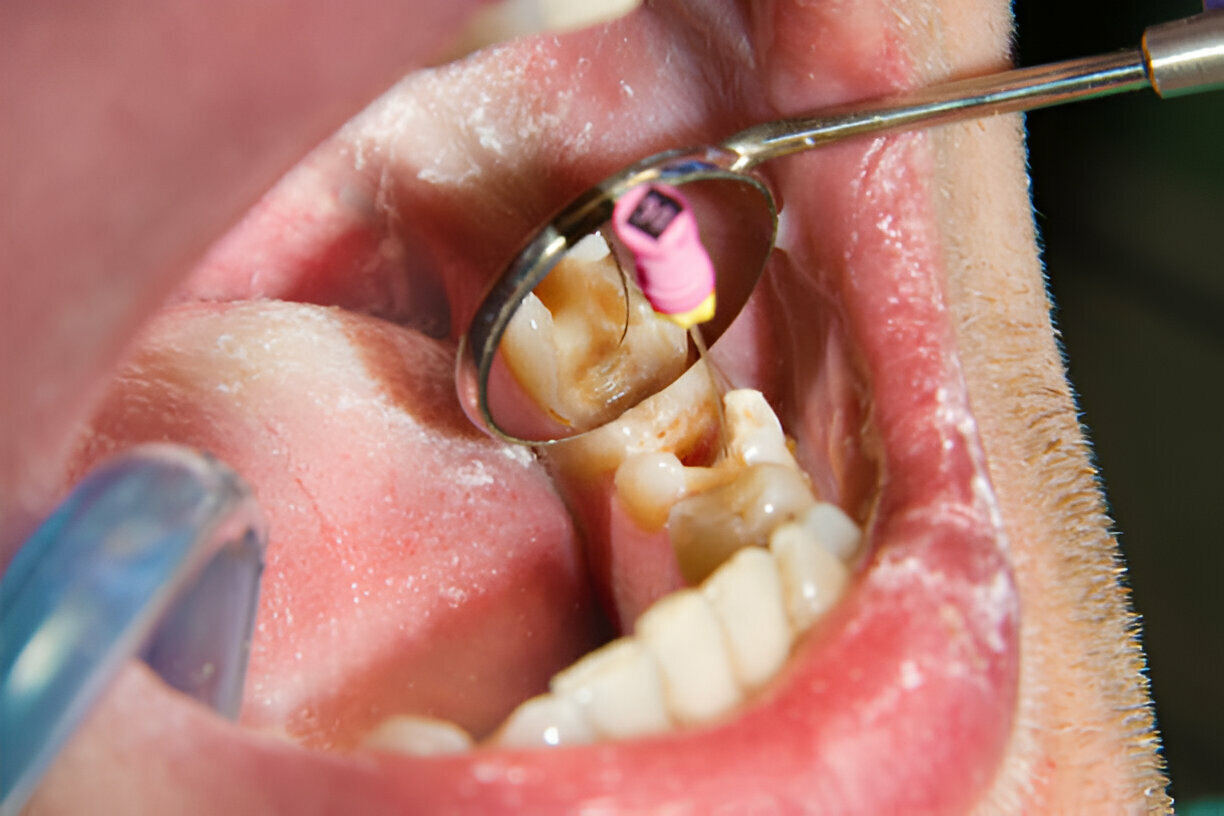
A root canal is a dental procedure that removes infected or inflamed pulp from the inside of a tooth. This treatment is designed to save your natural tooth by eliminating infection, preventing further decay, and relieving pain. Without it, a severely infected tooth might need extraction, leading to additional oral health complications.
Does a Root Canal Hurt? What to Expect at Navarro Dental in Corsicana_1


When Do You Need a Root Canal?


A root canal becomes necessary when the pulp inside your tooth, containing nerves, blood vessels, and connective tissue, becomes infected or inflamed. This condition can result from deep decay, repeated dental procedures, cracks, chips, or trauma to the tooth. If left untreated, the infection can spread, leading to more severe oral health issues, including tooth loss or infections that impact overall health.


Here are some key symptoms that may indicate the need for a dentist for a root canal:


1. Persistent Tooth Pain

A toothache that doesn’t go away—even after eating, drinking, or taking pain relievers—could be a sign of infected pulp. The pain may be constant or come and go but typically worsens over time.


2. Sensitivity to Hot and Cold

If you experience sharp or lingering pain after consuming hot or cold foods and beverages, it may indicate nerve damage inside the tooth. Unlike normal sensitivity, which fades quickly, this discomfort lingers, signaling a deeper issue.


3. Swollen or Tender Gums

Inflammation around the affected tooth can point to an underlying infection. Swollen, red, or tender gums, especially if they feel painful when touched, may indicate deep decay or an abscess forming beneath the gums.


4. Tooth Discoloration

A darkening or grayish tooth could mean the nerves deteriorate due to infection or trauma. This discoloration occurs when the pulp tissue breaks down, cutting off blood flow to the tooth.


5. A Pimple-Like Bump on the Gums

A small bump, often filled with pus, on the gum near a painful tooth may indicate an abscess. If not treated promptly, this severe infection can spread to surrounding teeth, the jawbone, and even the bloodstream.

Ignoring these symptoms can lead to severe complications, such as bone loss, tooth loss, and infections spreading to other areas of the body. If you experience these signs, schedule an appointment with your dentist as soon as possible. A timely root canal can save your tooth, relieve pain, and restore oral health.


Debunking the Myth: Does a Root Canal Hurt?

The phrase “root canal” often evokes fear, but reality differs. The procedure is no more painful than getting a standard dental filling, thanks to modern anesthesia and advanced technology.

Pain is usually associated with the infected tooth before the treatment, not the procedure itself. Root canals relieve pain by removing the infection and pressure caused by inflammation.


What Happens During a Root Canal?

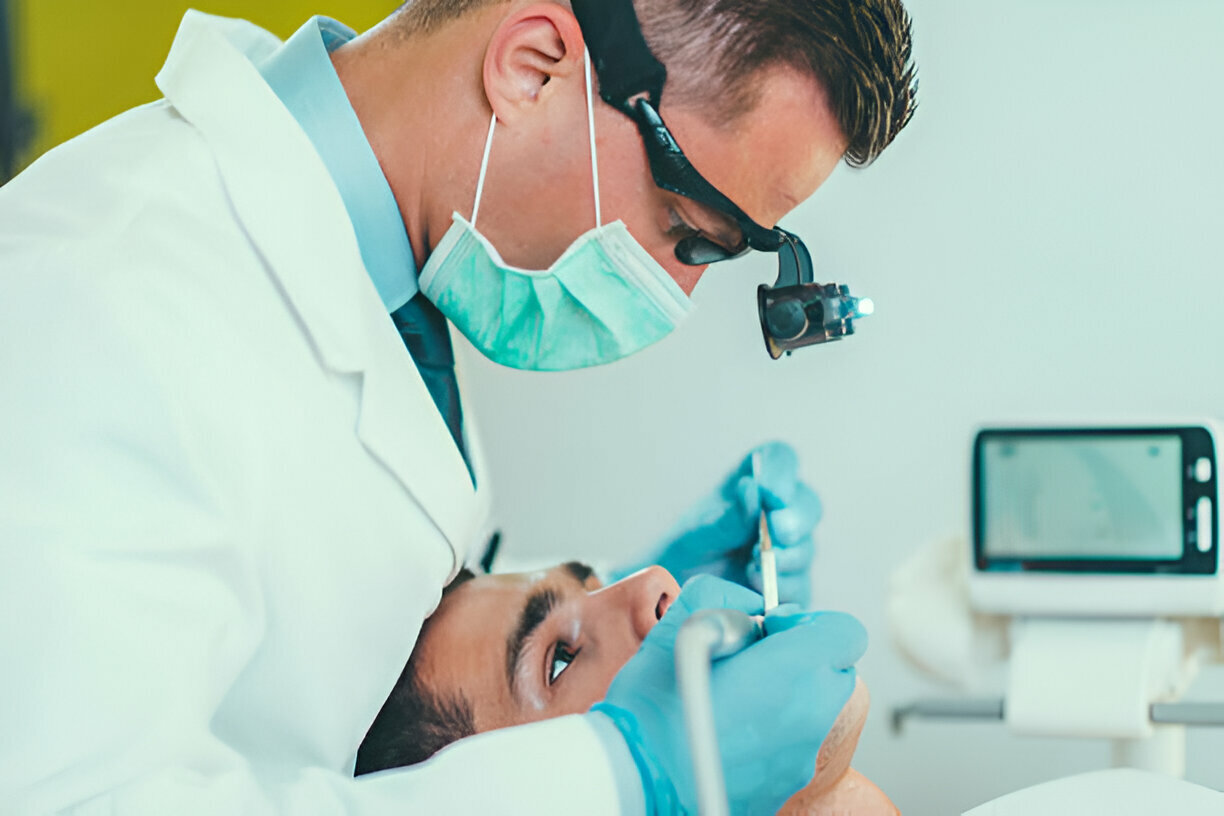
  1. Examination and X-rays—During root canal procedures, your dentist for root canal will examine the tooth and take X-rays to assess the infection.
  2. Anesthesia Application – A local anesthetic will numb the area, ensuring a pain-free experience.
  3. Removing the Infection – The dentist creates a small opening in the tooth to remove the infected pulp.
  4. Cleaning and Disinfection – The inner chamber is thoroughly disinfected to prevent reinfection.
  5. Filling and Sealing—A rubber-like material called gutta-percha is used to fill the space and seal it to protect it from bacteria.
  6. Restoration – Depending on the damage, a crown may be placed over the tooth to restore its function and appearance.


How Long Does a Root Canal Take?

The entire procedure typically lasts 30 to 90 minutes. Some cases may require two visits, especially if the infection is severe. However, at Navarro Dental Center, our skilled dentists in Corsicana, Texas, ensure an efficient and comfortable experience.


Fun Fact About Root Canals:

Did you know that over 15 million root canals are performed annually in the U.S.? Despite their bad reputation, this treatment has a 95% success rate, preserving natural teeth for many years!


Recovery and Aftercare

Once your root canal is complete, mild discomfort may last a few days. Here’s how you can manage it:

  • Over-the-counter pain relief – Medications like ibuprofen can reduce soreness
  • Soft diet – Avoid hard, crunchy foods for a few days
  • Good oral hygiene – Brushing and flossing regularly will keep your treated tooth in top shape
  • Follow-up appointment – Ensure everything is healing correctly by visiting your dentist for root canal check-ups
Does a Root Canal Hurt? What to Expect at Navarro Dental in Corsicana_2

What If You Skip a Root Canal by Dentists in Corsicana, Texas?

Neglecting treatment can cause:

  • Worsening pain
  • Tooth loss
  • Infection spread to other teeth and the jawbone
  • Possible need for an extraction and expensive restorations

A root canal is always preferable to tooth loss for oral health and financial reasons.


Book Your Appointment Today!

If you’re experiencing tooth pain, sensitivity, or swelling, don’t wait. Navarro Dental Center offers expert root canal treatments with a gentle touch. Let our experienced team restore your smile and eliminate pain efficiently. Call us today to schedule your consultation!


Key Takeaways

  • A root canal is a painless and effective way to save an infected tooth.
  • Modern technology ensures a comfortable procedure with local anesthesia.
  • Dentists in Corsicana, Texas, at Navarro Dental Center, use advanced techniques for quick and efficient treatment.
  • Recovery is fast and manageable, with minimal discomfort.
  • Ignoring a needed root canal can lead to serious complications.

Root Canal Aftercare: Tips for a Smooth Recovery

Summary:

The root canal treatment comes with a lot of questions and concerns! 

Although nearly 15 million people undergo the treatment, not many have the required knowledge about the aftercare steps for a smooth recovery. Root Canal Aftercare: Tips for a Smooth RecoveryTherefore, keeping the same in mind, this blog takes a closer look at:

  • What To Expect During And After A Root Canal
  • 5 Quick Tips for Faster Root Canal Recovery
  • How To Prevent Infection After A Root Canal
  • How Long Does it Take to Recover from A Root Canal?
  • Signs to Watch Post Root Canal

Continue reading as we learn more about the procedure in the following sections. 

What To Expect During and After A Root Canal

The prospect of having a root canal treatment can be intimidating! Understanding what to expect can help alleviate your concerns during and after the procedure. 

Once you visit their clinic, your endodontist or dentist for a root canal will extract the diseased or damaged pulp from your tooth. Following this, they will clean the root canals before sealing them with a filling. You may feel discomfort during the treatment, but this is generally treated with local anesthetic. Root Canal Aftercare: Tips for a Smooth RecoveryAfter the procedure, you may experience sensitivity in the treated area for a few days as your body recovers and adapts to the new filling. However, in certain situations, you may need a crown or undergo other restorative oral procedures following a root canal. 

Lastly, you must follow up on all advised appointments to resolve any outstanding concerns immediately.

Now that you understand the treatment, let’s look at some quick tips to enhance recovery. 

5 Quick Tips for Faster Root Canal Recovery

1. Avoid Eating Right Away

Following a root canal treatment, you might have difficulty eating some food items as your gums and teeth may still be swollen. Moreover, some food items have the potential to damage a temporary or permanent crown in a few hours or days following the root canal procedure. 

2. Adjust Your Diet During Recovery

In general, avoid crunchy, hard, and spicy meals. Instead, pick cold, soft meals that you like. However, you can later re-introduce yourself to specific food items (eventually) as the sensitivity and discomfort lessen.

Here’s a list of food items that are suitable for healing root canals:

  • Frozen yogurt and ice cream
  • Applesauce
  • Peanut butter
  • Soft bread
  • Cooked vegetables
  • Bananas
  • Yogurt
  • Mashed potatoes
  • Scrambled eggs
  • Pudding
  • Soup (not too hot!)

When eating, try to avoid biting on the side of your mouth where your root canal was performed, especially if you have a temporary crown placed in your jaw. 

3. Elevate Your Head & Use a Cold Compress

Inflammation and swelling are frequent side effects that you could experience after a root canal. Therefore, keep your head up after you’re home and place a cool compress on your cheek for a few minutes. Repeating cold compress might help lessen swelling or any associated discomfort. 

What’s more? You can also wrap an ice pack or a tiny bag of ice in a clean cloth or towel to create a homemade cold compress. Remember, you can use a cold compress for up to 20 minutes, interspersed with 20-minute rest intervals. 

4. Keep Up with Your Oral Hygiene

Maintaining adequate oral hygiene is a must during your recovery! If your teeth and gums are too uncomfortable to brush and floss, rinse your mouth with warm salt water for a few days to help prevent infections.Root Canal Aftercare: Tips for a Smooth RecoveryOnce the stiffness has subsided, you can resume regular brushing and flossing. You may (and should) brush and floss while wearing a temporary crown, but remember that particular mouth parts require special attention. Temporary crowns are less durable than permanent crowns, and deterioration might lead to infection.  

5. Get Some Rest

Rest is a crucial element when you’re recovering from a root canal therapy. In rare circumstances, your dentist may advise you to avoid intense exercise for several days. Excessive physical exercise during your recovery period may impede your recovery and raise your risk of long-term edema or problems.

How To Prevent Infection After A Root Canal

Preventing infection following a root canal is critical to the treatment’s effectiveness. The first step is to practice proper oral hygiene routines, such as brushing and flossing frequently. 

It is also advisable to avoid eating or drinking anything that may aggravate the treated region for at least a few hours following the operation. Furthermore, follow your dentist’s post-treatment recommendations precisely. 

This might involve taking antibiotics or using an antibacterial rinse to help avoid infection. Remember, it’s critical not to miss any scheduled follow-up appointments with your dentist so that they can monitor your healing and identify any possible problems early on.

How Long Does it Take to Recover from A Root Canal?

Recovering from a root canal procedure generally takes 1–2 weeks. However, the timeline may vary for different individuals. 

You may feel mild to severe discomfort for the first few days, but this should subside over time and usually lasts only a few days. The time of your recovery may also vary depending on whether you visit the dentist for a root canal or if your treatment involves a permanent or temporary crown. 

Furthermore, potential difficulties such as an infection may prolong your healing time—but this can be prevented! Following your dentist’s instructions, making healthy choices, and continuing to care for your teeth can all help you recover from a root canal in a healthy and timely manner. 

Signs to Watch Post Root Canal

Following your root canal treatment at Navarro Dental Corsicana, TX, it is critical to monitor your recovery closely. 

Here are some of the signs and symptoms to watch for:

  • Severe Pain

Mild discomfort is an expected component of the healing process after a root canal, but severe, chronic pain is not. Suppose you have severe pain that does not go away with prescribed or over-the-counter pain relievers. It might mean that the region is not healing correctly or has an underlying problem, such as an undiscovered canal condition or infection.

  • Swelling

A small swelling following a root canal is normal as your body reacts to the surgery. However, if the swelling worsens, extends to other parts of your face or neck, or does not reduce after a few days, it may be a symptom of infection. Excessive swelling may also cause discomfort and make it difficult to open your mouth or swallow.

If you are experiencing any of these symptoms, please call your endodontist immediately. Prompt examination and treatment can successfully address these difficulties, keeping your recovery on track and avoiding future dental issues.

Takeaway

  • Your endodontist for a root canal will extract the diseased or damaged pulp from your tooth. 
  • Following a root canal treatment, you might have difficulty eating some food items as your gums and teeth may still be swollen.
  • Potential issues like an infection could also increase your recovery time.
  • Preventing infection following a root canal is critical to the treatment’s effectiveness. 
  • Still doubtful about the road to recovery post root canal? Let our experts at Navarro Dental Center resolve them for you. Visit us today!